Why the Best Mixed-Use Developments Are Replacing Scale Models with Interactive 3D Masterplans

Why the Best Mixed-Use Developments Are Replacing Scale Models with Interactive 3D Masterplans

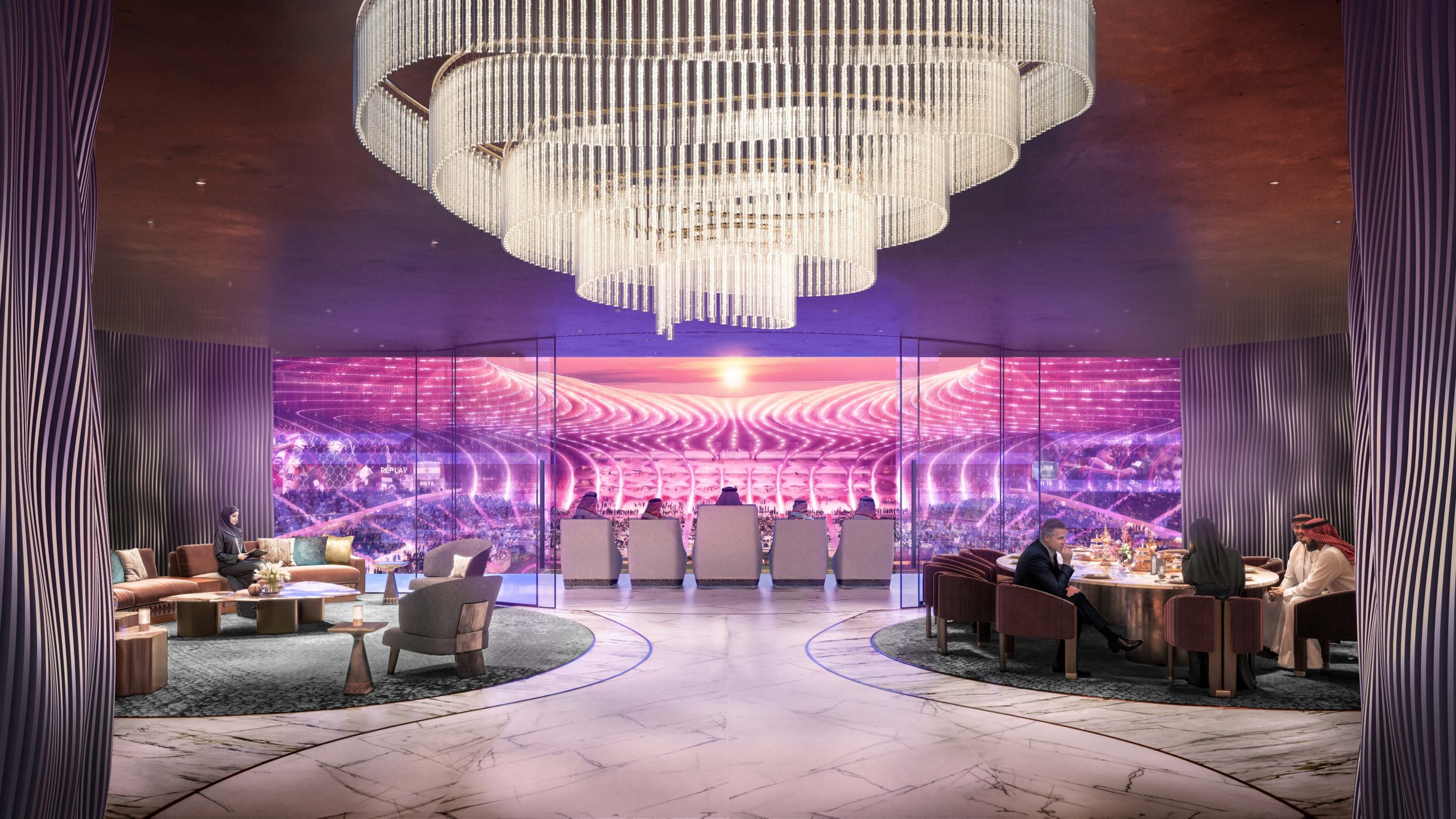
Interactive real-time masterplan built in Unreal Engine, Radical Galaxy Studio

Every large mixed-use development eventually faces the same problem: how do you sell a ten-acre project to investors, municipal boards, and buyers when it doesn’t exist yet? For decades, the answer was a physical scale model, painstakingly built, prohibitively expensive to update, impossible to ship to a client in Dubai, and completely static the moment the design changes.

That answer is being retired. Not by everyone, plenty of teams are still rolling out the foam model for investor day. But the developers closing pre-sales fastest right now have replaced it with something that does what a scale model never could:

We hear “Unreal Engine” and watch eyes glaze over. Fair, nobody hired a visualization studio to learn about game engine architecture. So here’s the only framing that matters: developers using interactive 3D masterplans are closing faster, presenting to more stakeholders with fewer meetings, and spending less money keeping their sales collateral current. Here’s how it actually plays out.

$

Investors and planning boards experience the full development in a single browser session — no flights, no physical model room required

$

Buyers explore individual units, amenities, and view corridors at their own pace — and arrive at sales conversations already invested

$

Design changes update in days, not weeks — no $30,000 scale model rebuild

$

The same experience runs at a sales center in Austin and a laptop in London simultaneously

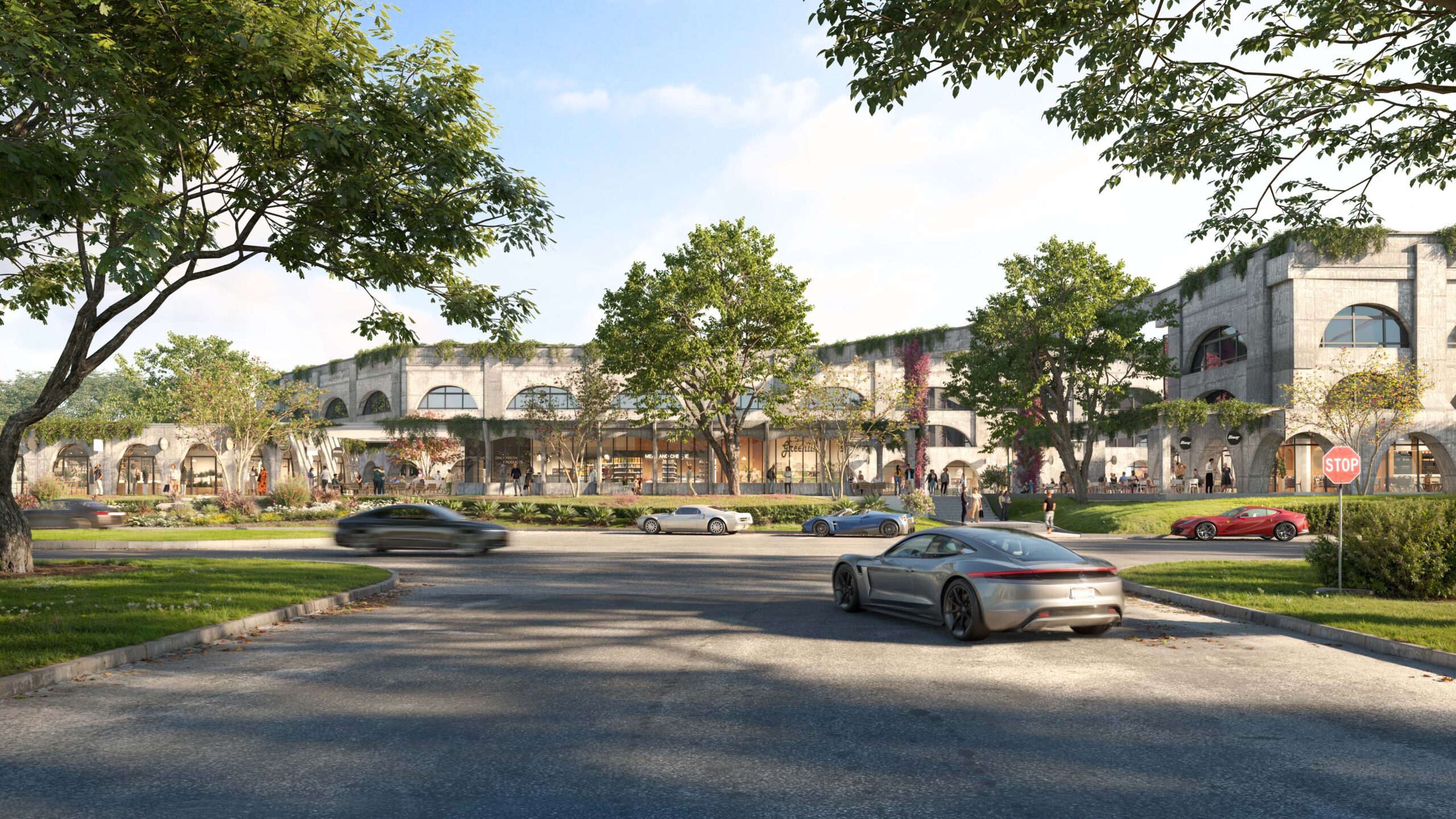
10711 Burnett · Trammell Crow · Mixed-use · Austin, TX View full cinematic portfolio →

The Scale Model Problem Nobody Talks About

Physical scale models carry hidden costs that rarely show up in the initial budget conversation. The model itself, for a significant mixed-use development, can run $50,000 to $150,000 to produce. Then the design changes, as it always does. A floor plan revision, a massing update, a new amenity configuration. The model is now out of date. We’ve seen teams present an out-of-date model to investors for six months because rebuilding it wasn’t in the contingency budget. That’s not a hypothetical.

There’s also the distribution problem, which sounds boring until you’re trying to present to a capital partner in Singapore at 9 AM their time. A physical model lives in one room. It doesn’t travel. It doesn’t join a Zoom call. It doesn’t update between the morning investor meeting and the afternoon planning board session.

But the thing that nobody talks about enough: it can’t answer questions. A buyer standing over a physical model is still on the outside of a miniature. They can’t step in. They have no idea what the lobby actually feels like at human scale, or what the view from the 14th floor northeast corner actually looks like. The model shows the project exists. It can’t make someone feel like they belong in it.

“3D architectural visualization of Seattle urban development model created by Radical Galaxy Studio showcasing surrounding skyline

Urban context model built in Unreal Engine, Seattle development, Radical Galaxy Studio

What an Interactive 3D Masterplan Actually Does

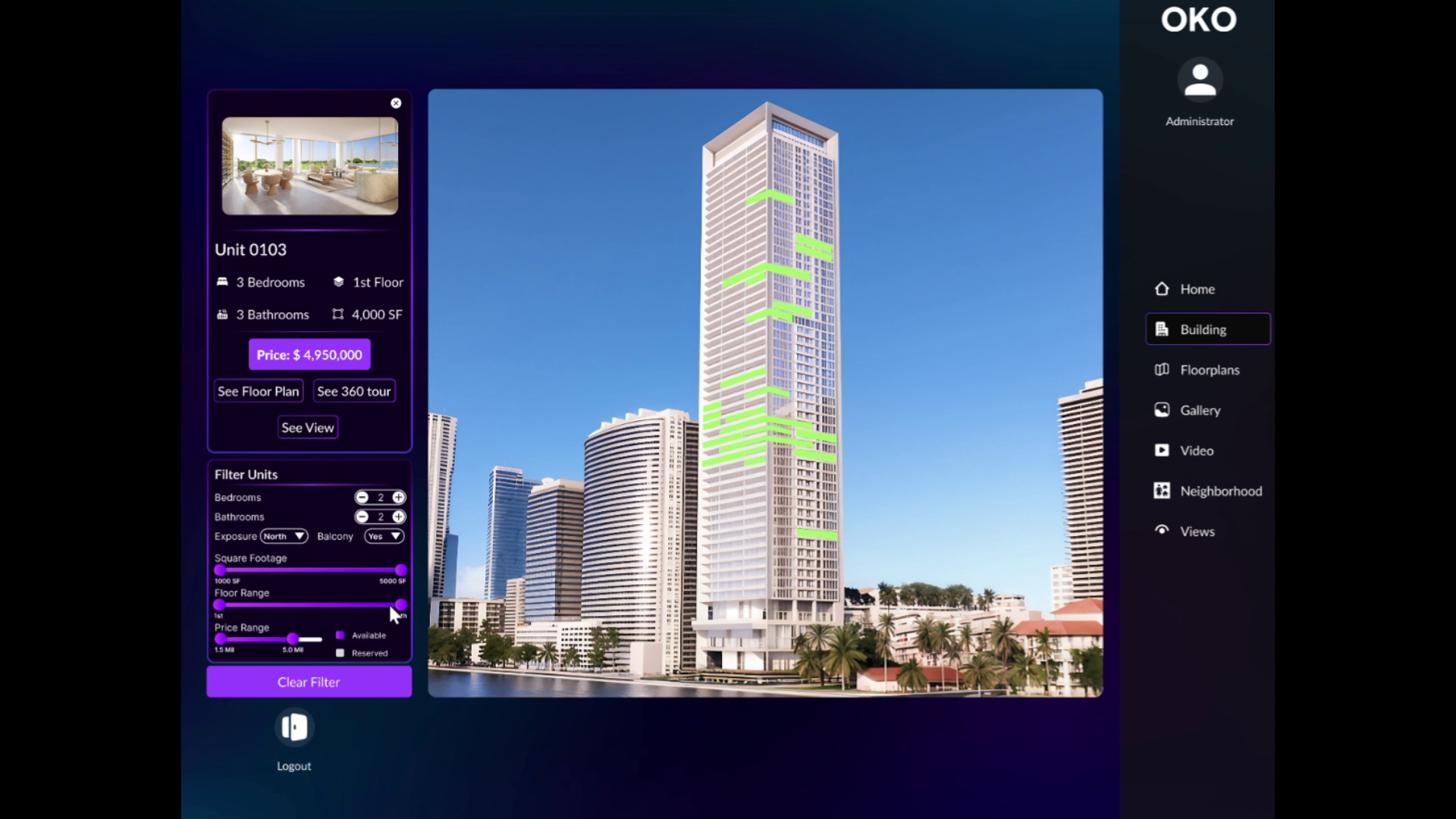
An interactive masterplan built in Unreal Engine isn’t a rendered video you can watch. It’s an environment you navigate, with real-time control, live camera movement, and interactive elements that respond to the user. That difference is the whole point. At this stage, using a physical model or a static rendering package as your primary sales tool for a large mixed-use development is a competitive disadvantage. Full stop. Here’s what the alternative actually includes.

Full Site Navigation at Any Scale

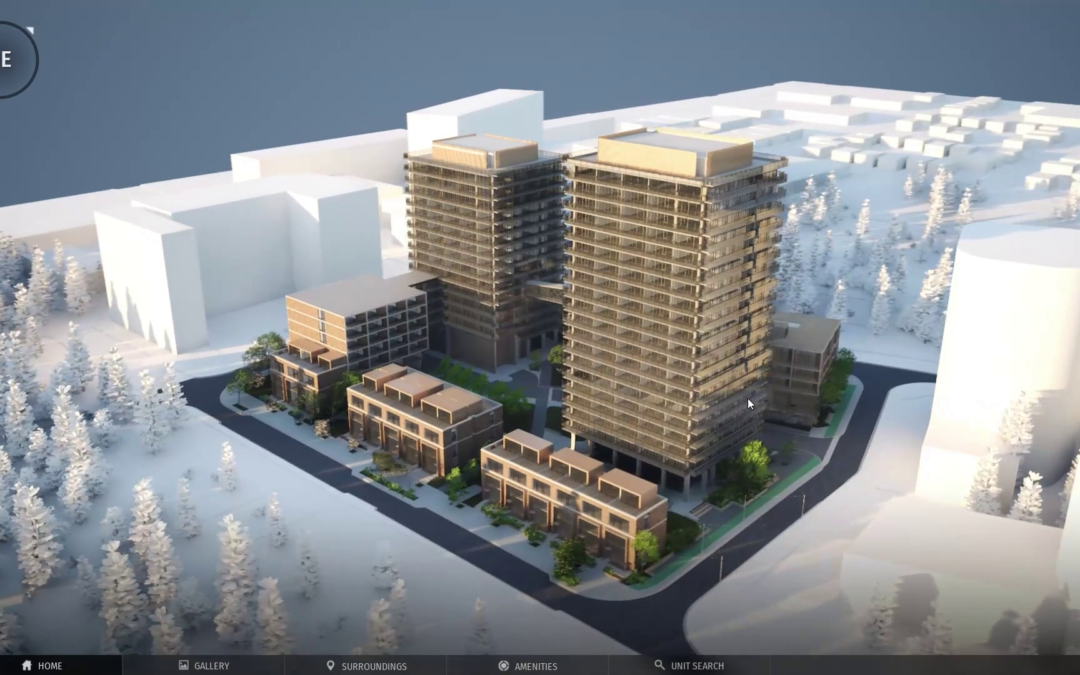
Users can pull back to a bird’s-eye view of the entire masterplan, seeing how the development relates to its surrounding neighborhood, transit infrastructure, and urban context — then zoom down to street level and walk through a specific corridor, plaza, or building entry. The same experience captures both the strategic overview and the human-scale detail.

Unit-Level Exploration and Finish Configuration

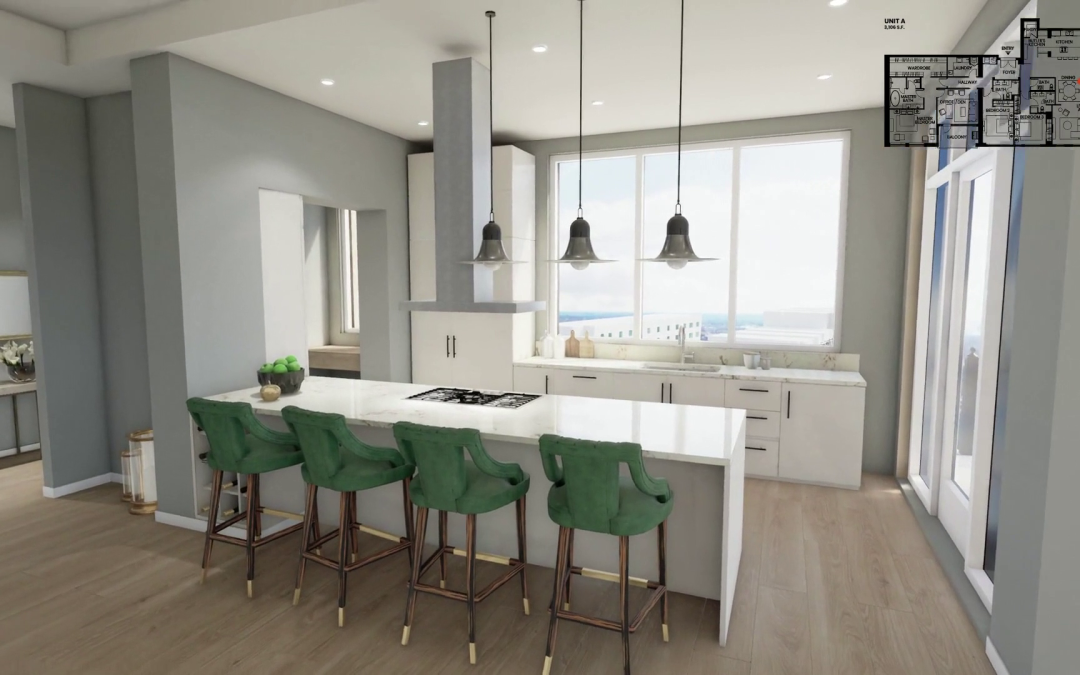
From the masterplan level, buyers can navigate directly into individual units. Once inside, they can toggle between finish packages, flooring, cabinetry, countertops, and see the changes applied in real time. This capability has a direct impact on upgrade revenue: buyers who’ve visualized a premium finish package are significantly more likely to select it.

Time-of-Day and Environmental Lighting

One of the most powerful tools for closing premium units: the ability to show a buyer exactly what their view looks like at sunrise, at golden hour, or on a cloudy afternoon. Unreal Engine’s sky and atmospheric systems simulate real-world lighting conditions with physical accuracy. A northeast corner unit with city views sells differently when the buyer has experienced it at 7 AM on a clear morning.

Amenity Spaces in Full Context

Rooftop pools, co-working lounges, fitness centers, ground-floor retail activations — the amenity package is often what closes a buyer who’s on the fence between two comparable projects. An interactive masterplan lets buyers explore every amenity space at their own pace and builds the kind of ownership feeling that a floor plan description never can.

Real-time 3D architectural visualization created in Unreal Engine showcasing interactive masterplan experience

Interactive masterplan experience in Unreal Engine — Radical Galaxy Studio

Scale Model vs. Interactive 3D Masterplan: The Real Comparison

A client asked us to help them justify the budget internally. Their CFO wanted a side-by-side. We put this together, and filling in the physical model column was honestly harder than we expected, because most of the cells just came up empty. To be fair, we added the one thing physical models genuinely do better.

Capability Physical Scale Model Interactive 3D Masterplan
Design update speed Weeks to rebuild, significant cost Days to update — less if it’s just materials or finishes
Remote access Requires shipping or travel Browser link, any device, anywhere
Interior exploration Exterior massing only Full unit walkthroughs, amenities, every space
Finish configuration Not possible Real-time toggle between packages in the unit itself
View simulation Approximate — you’re looking at a miniature from above Accurate views from any unit, any floor, any time of day
Multi-stakeholder access One room, one meeting at a time Simultaneous access globally — same session if needed
Planning board use Can work for straightforward projects. Gets complicated fast on mixed-use Live walkthrough — you can answer questions by navigating to the exact spot in question
Tactile presence in a room Genuinely good — there’s something about a physical object that commands attention A screen in a sales center gets close, but it’s not the same
Ongoing useful life Frozen at point of build — accurate for maybe one design iteration Updates as the design evolves, stays current through delivery

We’ve built both for clients over the years. The physical model still gets used, usually alongside the interactive experience for the opening sales event. After that, it tends to sit in the corner of the sales office while the browser link does the actual work.

Any device

No app, no hardware. Runs in a browser, we’ve had investors pull it up on their phones mid-meeting

Days not weeks

Typical update turnaround when design changes come in, vs. the rebuild cycle on a physical model

One link

Same session, same experience, we’ve had Austin, London, and Dubai in the same walkthrough simultaneously

From our project work. Your mileage will vary based on project scope and how much the design is still moving.

Have a large mixed-use or multifamily project coming up?  We can scope an interactive masterplan for your specific timeline and stakeholder needs.

How Pixel Streaming Makes This Accessible Everywhere

This is usually where we lose people. “Sounds great, but our investors aren’t going to install software or buy a gaming PC.” Right, they won’t have to. The barrier that used to limit real-time 3D experiences was hardware: running a full-fidelity Unreal Engine environment requires a serious GPU workstation. Nobody outside a visualization studio or a very well-equipped sales center has one sitting around.

Pixel streaming solves this in a way that’s almost annoyingly simple. The Unreal Engine experience runs on powerful cloud servers in AWS. The user gets a live video stream in their browser and controls it with their mouse or touchscreen, inputs go to the server, visuals stream back. It feels exactly like running it locally. Works on a laptop, a tablet, a phone. The only requirement is a decent internet connection.

exterior 3d visualization service in Barbuda (Caribbean islands)

Co-working amenity space visualization, mixed-use development, Radical Galaxy Studio

For developers working with remote investor groups, international buyers, or stakeholders across multiple time zones, this changes the sales process fundamentally. The sales center is no longer a physical location you have to get people to. It’s a link you send, and it delivers the full experience wherever the recipient happens to be.

The Mixed-Use Use Case: Why This Project Type Benefits Most

Every project type benefits from better visualization. But mixed-use is the one where a static package genuinely breaks down, and where we see the biggest gap between what teams are trying to communicate and what their materials actually convey.

Mixed-use projects have multiple building types, multiple tenant profiles, multiple use activations across different floors and zones. A residential buyer cares about their unit and the rooftop. A retail tenant cares about ground-floor activation and pedestrian traffic. An office tenant cares about parking, lobby presence, and floor plate efficiency. An institutional investor cares about the whole picture. Presenting all of that in sequence — meeting by meeting, stakeholder by stakeholder, is exhausting and slow, and something always gets lost in translation.

Photoreal interior rendering of Carmel Partners Denizen co-working area with collaborative layout and natural light

Aerial masterplan visualization — Caribbean resort development, Radical Galaxy Studio

An interactive masterplan holds all of it in one place. Each stakeholder follows the threads that matter to them, the residential buyer digs into their unit, the retail tenant checks the ground-floor activation, the investor navigates the full site. Nobody sits through a presentation built for someone else’s questions. It sounds simple. It changes how quickly deals move.


Real Project: What This Looks Like in Practice

The Howard · Trammell Crow · Mixed-use · Austin, TX View full cinematic portfolio →
Case Snapshot

Large-Scale Mixed-Use Launch — Multi-City Stakeholder Team

Project TypeMixed-use: multifamily, office, ground-floor retail
ChallengeInvestor and buyer teams across New York, London, and Dubai — no single sales center could serve all stakeholders
DeliverablesInteractive Unreal Engine masterplan + pixel streaming deployment + cinematic animations
TimelineLive for investor preview 4 months before construction start
Outcomes
  • All major investor presentations conducted remotely via browser link — zero travel required
  • Planning board walkthrough conducted live in a single session, with real-time navigation of contested design elements
  • Residential buyers explored unit configurations and finish packages before the sales gallery opened
  • Design changes from investor feedback incorporated in days, not weeks — and immediately visible in the live experience

Presenting to investors or planning boards in the next 90 days?  An interactive masterplan can be ready before your first major stakeholder meeting.

The Amenity Layer: Where Interactive Masterplans Directly Drive Revenue

One dimension of interactive masterplans that developers consistently undervalue until they’ve seen it in practice: the impact on amenity upgrade selection and premium unit premiums.

Architectural CGI of Denizen San Diego pool amenity for Carmel Partners emphasizing lifestyle and modern design

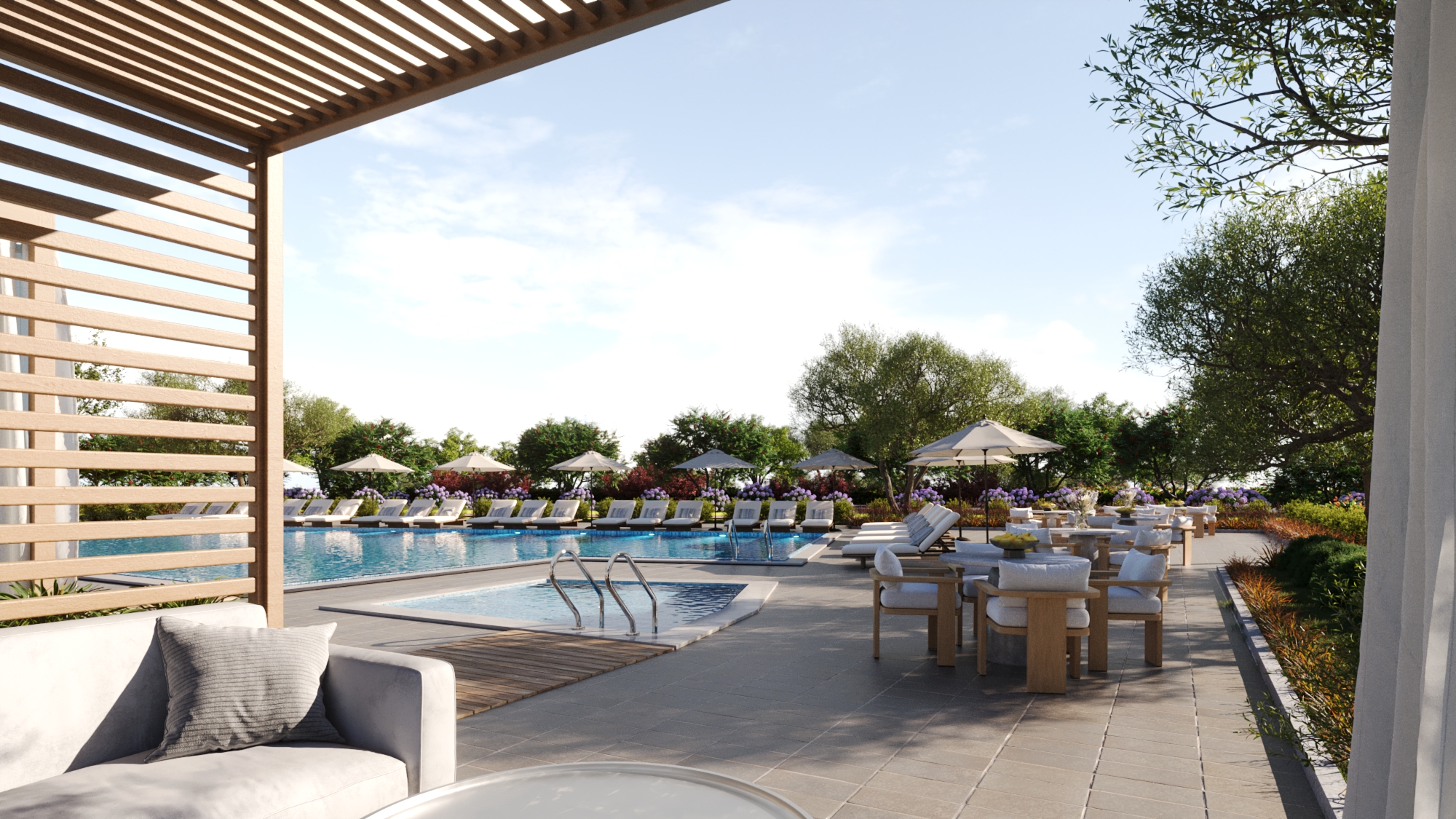
Amenity deck visualization — multifamily development San Diego, Radical Galaxy Studio

This is the part that usually surprises developers most, not the technology, but where it moves the revenue needle most directly.

When a buyer can walk from their unit directly to the rooftop pool, stand at the edge of the amenity deck, look out at the view, and feel the actual scale of the space, their willingness to pay a premium for units with that proximity goes up. Not a little. Meaningfully. The amenity package stops being a line item in a brochure and becomes something they’ve already experienced. That’s the difference between “sounds nice” and “I need this.”

Same thing happens with finish packages. We’ve watched buyers toggle between standard and premium finishes in a real-time walkthrough of their actual unit, their specific floor, their specific view, and select the upgrade at a rate that doesn’t happen off a sample board in a sales office. The sample board is abstract. The unit is theirs. That difference shows up in the numbers.

Common Questions from Developers

How much does an interactive 3D masterplan cost?

Honestly, the cost question is the wrong starting point, but we understand why it comes up first. The real question is what it costs you not to have it: a delayed investor commitment, a planning round that requires additional presentations, a sales launch where buyers are comparing your PDF floor plans against a competitor’s interactive experience. Those delays on a mid-size development are worth far more than the visualization budget.

That said, here’s what we actually see: for a focused multifamily project, masterplan navigation, key amenity spaces, 2–3 unit types with finish toggling, you’re typically looking at $40,000–$80,000. For a full mixed-use masterplan with multiple building types, interior exploration across the development, and pixel streaming deployment, $100,000–$250,000 is the realistic range. Scope it to what your specific stakeholder journey actually requires, not everything needs to be fully built out on day one.

How long does it take to build an interactive masterplan?

On most of the mixed-use projects we’ve worked on, the full experience, brief to live, pixel-streamed and ready for investors, runs 8 to 16 weeks. The biggest variable isn’t us; it’s how mature the design documentation is when we kick off. Teams that come in with clean BIM or CAD and a clear brief on what the experience needs to do move through the faster end of that range. Teams that are still resolving massing or finish decisions mid-production stretch it out.

One thing that surprises most developers: starting earlier in the design process actually produces better work, not worse. Schematic-phase documentation is fine to work from. The process forces some design clarity, and it means the experience is ready for your first major stakeholder moment rather than catching up to a launch that already happened.

What do we need to provide to get started?

Less than most teams expect. CAD, BIM, or schematic drawings are the starting point, we work from early-stage documentation all the time. What matters more than document maturity is being honest about what’s locked vs. what’s still moving. If the rooftop amenity program is still being debated, we build around it, not through it. Trying to visualize something that changes two weeks later wastes everyone’s budget.

The most useful thing you can bring to a kickoff conversation isn’t a completed design package, it’s a clear answer to: who is the primary audience for this experience, and what do we need them to feel or decide by the end of it? Investor confidence, buyer deposit, planning approval, those are different goals, and they shape how we scope and build the experience. The cleaner that answer, the better the output.

Can the masterplan be updated as the design evolves?

Yes, and this is the thing that kills the physical model argument for good. The Unreal Engine environment is a live asset. When the design changes, we update it. Material and finish changes are quick; structural or massing changes take more work but they’re far cheaper than a scale model rebuild.
In practice, most of our ongoing projects work on a maintenance agreement with a defined number of update rounds built in across the pre-construction period. The experience stays current through investor rounds, planning review, sales launch, and right up to handover. We’ve had projects where the experience was live and actively used for two-plus years across the full development lifecycle, because it kept up with the project, rather than becoming a snapshot of what the design looked like on one specific Tuesday.

What’s Coming Next: Spatial Computing and the 1:1 Masterplan

Architectural rendering of an open-layout office with modern furniture, large windows, and contemporary design.

Interior office visualization — Radical Galaxy Studio

Where this goes next is spatial computing, and the timeline is shorter than most people expect. The experience that exists today, navigable on a screen and streamed to any browser, is already a step change from what came before. But it’s also the foundation for something more immersive: a developer and an investor standing in the middle of a future plaza, at 1:1 scale, surrounded by buildings that won’t be framed for two years, talking through the design as if they’re already there.

We’re building toward that. The studios doing serious Unreal Engine work on interactive masterplans now are the ones who will be positioned to deliver it when clients start asking for it, because the underlying technology is the same. The delivery hardware is what’s still catching up.

If you’re a developer with a significant project in the pipeline, the honest question isn’t “is this the right technology?” It’s “how much of the pre-construction period are we willing to run without it?” The projects that move fastest tend to be the ones that answered that question early.

“The developers winning the pre-sale aren’t the ones with the best project on paper. They’re the ones who made the buyer feel like they were already home.”

Planning a mixed-use or multifamily launch? Let’s talk about what an interactive masterplan can do for your project.

We’ll walk you through scope, timeline, and exactly what to build to hit your investor and pre-sale targets. 

Production Builder or Custom Home? Why the Visualization Brief Is Completely Different

Production Builder or Custom Home? Why the Visualization Brief Is Completely Different

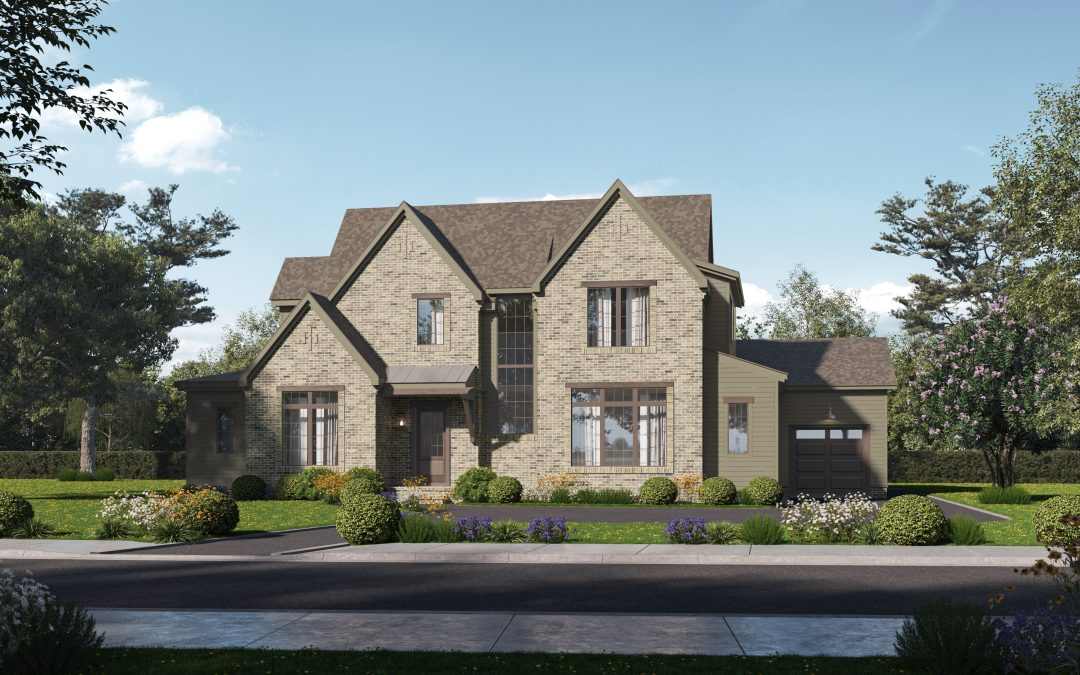
Single-family home exterior visualization — Radical Galaxy Studio

In the same week we might deliver a full visualization package for a DR Horton community rolling out 200 units across three floor plans in Texas, and a single cinematic rendering of a custom spec home on a cliff in Bermuda. Both are single-family residential. That’s roughly where the similarity ends.

The brief is different. The deliverables are different. What success looks like is different. And the ROI logic,  what the visualization is actually supposed to accomplish and how you measure whether it did, is completely different for each. We’ve worked with both kinds of clients long enough to have developed a pretty clear sense of where studios go wrong when they treat these as the same kind of project.

This post is our thinking on what separates the two, and what each type of builder actually needs from a visualization partner.

The Production Builder Problem: Visualizing at Scale

A national homebuilder running a high-volume production operation has a visualization challenge that’s fundamentally about pipeline efficiency. They’re not selling one house. They’re selling the same four or five floor plans dozens of times across multiple communities, often simultaneously, in markets that can have very different buyer profiles. The question isn’t “how do we make this house look beautiful?”  though that matters,  it’s “how do we create a visualization system that can work across all of this without breaking the budget or the timeline for any individual community.”

Houston architectural rendering Leva Living Development

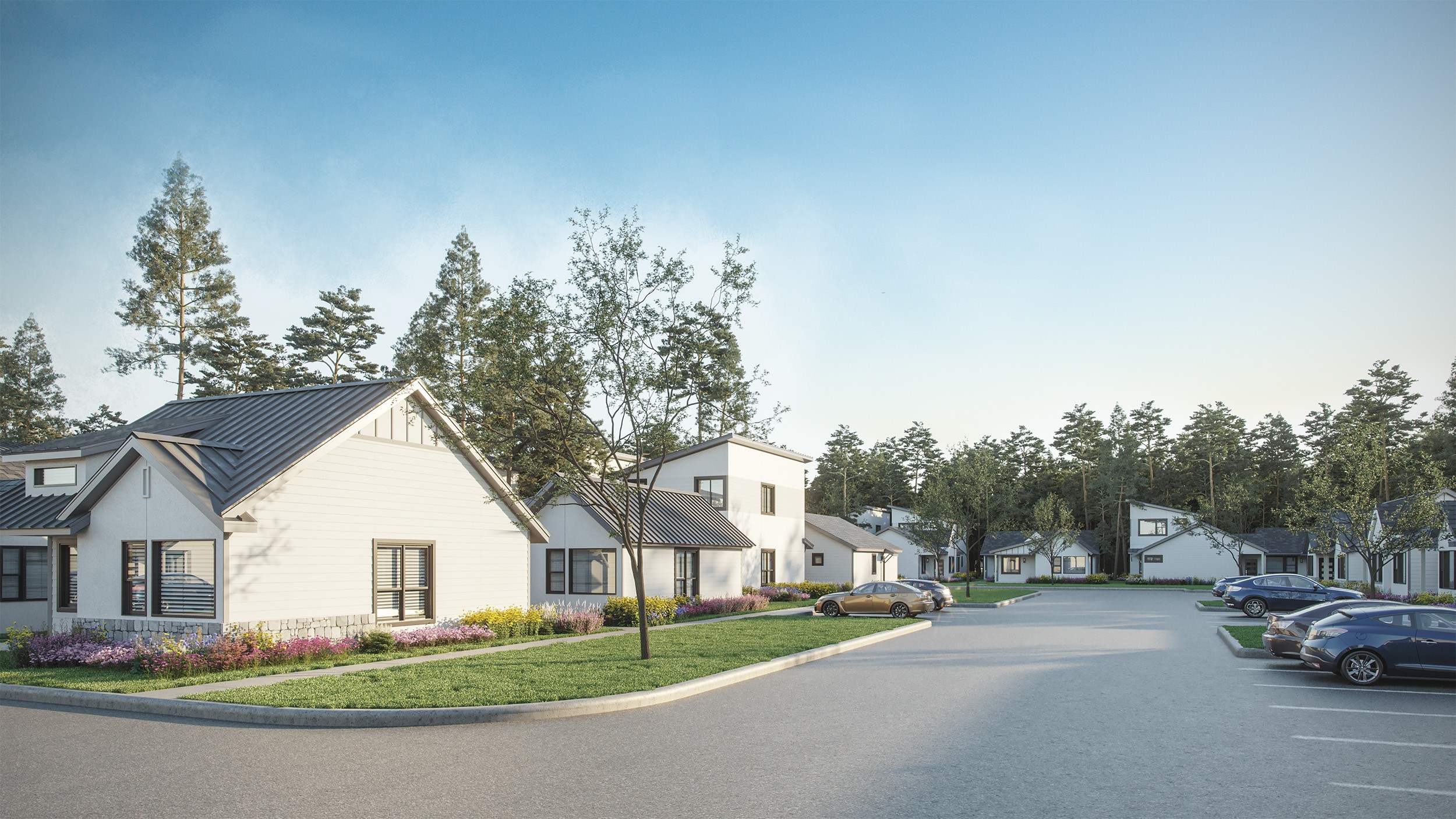
Street exterior visualization — residential development, Radical Galaxy Studio

The deliverables that matter most at the production end are different from luxury. An exterior hero render for the sales center. Interior images of the model home spaces, kitchen, primary suite, living area, that communicate the design package clearly and make the finish selections feel worth the upgrade price. Community amenity renderings if there’s a clubhouse or pool. And increasingly, interactive tools that let sales agents walk buyers through floor plan options and finish packages without needing a fully built model unit at every community.

What production builders often undervalue, and what consistently moves the needle on both traffic and conversion: the exterior rendering used in digital advertising. A high-quality exterior render in a paid social or display campaign outperforms lifestyle photography of comparable communities at a rate that surprises most marketing teams when they first A/B test it. The render is idealized in a way that a photograph of a partially built site or a completed home without staging never quite is. That idealization is doing commercial work, and it has a measurable impact on cost-per-lead.

This is where production work breaks most studios that aren’t built for it. Speed and consistency matter as much as quality at this scale, and they require a different kind of operational discipline. A production builder needs to know that when they brief a new community, the work comes back on time, on brand, and in a format that plugs directly into their marketing stack. Studios that are excellent at one-off luxury projects often struggle with this, not because they lack talent, but because the pipeline thinking and process rigor that production work demands is genuinely different from the bespoke creative approach a custom client calls for. Applying one mindset to the other is where most visualization relationships break down at the production end.

3D residential visualization of a single-family home with neutral color palette, pitched roof, and fall foliage.
Front elevation exterior rendering — single-family residential, Radical Galaxy Studio

The Finish Package Problem — and Why It’s Worth Solving Properly

One of the most commercially significant visualization challenges for production builders is finish packages, and it’s the one that gets the least strategic attention. Most production builders offer two or three finish tiers, standard, elevated, premium, and the upgrade margin on a premium package can be substantial. The question is: how do buyers make that decision?

Historically, they make it in a design studio, standing in front of physical samples under showroom lighting, trying to imagine what those samples will look like in their actual kitchen. It’s a poor simulation of the actual experience, and a lot of buyers default to the standard package not because it’s what they want but because they can’t confidently visualize the upgrade. That uncertainty costs builders upgrade revenue on every sale where it happens.

A 3D visualization of a Caribbean island home interior, showcasing a modern kitchen with high-end appliances, an island with seating, and tropical-themed decor.

Kitchen interior visualization showing premium finish package — Radical Galaxy Studio

Interactive finish visualization, showing buyers exactly what their specific floor plan looks like with each package applied, in the actual space, with accurate lighting, consistently moves upgrade selection rates. We’ve built these tools for production clients and the effect is straightforward: when buyers can see the premium countertop in their kitchen rather than on a sample board, they select it more often. The visualization pays for itself in upgrade revenue within a relatively small number of transactions.

condo rendering service

Open-plan living and kitchen visualization — Radical Galaxy Studio

The Custom and Luxury Brief: Completely Different Goals

A custom home builder or luxury architect working on a high-end spec home is operating with a completely different set of priorities. There’s usually one home, one buyer target, one specific design intent that took months of collaboration to arrive at. The visualization isn’t a sales tool in the production sense, it’s a communication tool, a design validation tool, and at the premium end, a marketing asset in its own right.

What matters here isn’t efficiency. It’s exactness. The ability to show the client exactly how the steel and glass facade will read in morning light. What the great room feels like at dusk when the sliding walls open to the terrace. Whether the primary suite has the sense of privacy and scale the design is reaching for. These are questions that exist independently of any buyer, they’re design questions, and the visualization is part of the design process.

A 3D visualization of a Caribbean island home interior, showcasing a modern kitchen with high-end appliances, an island with seating, and tropical-themed decor.

Luxury beachfront home visualization — Barbuda, Radical Galaxy Studio

The deliverables look different too. A luxury spec home might need a handful of exceptional hero renders, exterior at dusk, primary suite, the kitchen, plus a cinematic film that tells the story of the property in 60–90 seconds. That film ends up on the listing agent’s site, in the property brochure, at the real estate conference presentation. It does work across multiple months and multiple channels. The budget per deliverable is higher, the volume is lower, and every image carries more commercial weight than at the production end.

Snowhouse · Private Client · Single Family · Aspen, CO View full cinematic portfolio →

The brief conversation is also different. A production builder brief is largely functional, here are the floor plans, here are the three finish packages, here are the marketing specs. A luxury custom brief is as much about feeling as it is about specification. What does the client want someone to feel when they see this property? What’s the story of the land, the architecture, the lifestyle it represents? Getting that conversation right before production starts is the difference between visualization that elevates the property and visualization that accurately documents it. Both are competent. Only one is worth what the client is paying for it.

“At the production end, visualization is infrastructure, it has to scale, stay consistent, and hit its timeline. At the luxury end, it’s storytelling, it has to make someone want to be in a place they’ve never seen.”

A rendering of a spacious master bedroom in a Caribbean island home, with a plush bed, large sliding doors leading to a balcony, and coastal-inspired furnishings.
Primary suite interior visualization — luxury residential, Radical Galaxy Studio

What Actually Shows Up in the Sales Process

A few things matter equally at both ends of the market, and they’re worth naming because they’re also the things that get cut when a brief is moving fast.

Exterior lighting is one. Whether it’s a $350,000 production home in suburban Texas or a $15 million spec property in Aspen, the late-afternoon or dusk exterior render consistently outperforms the midday version in buyer engagement. The emotional register of warm light on a facade is not a luxury preference, it’s a human response, and it works at every price point. We’ve never had a client tell us the golden-hour version wasn’t better. We’ve had plenty tell us they didn’t budget for it upfront and then wish they had.

Interior scale accuracy is another. A kitchen that reads slightly too large, or a living room with furniture that’s subtly off-scale, undermines buyer confidence in ways they can’t always articulate but absolutely act on. We had a production builder client come back mid-campaign and say their sales team noticed buyers second-guessing the kitchen size. The rendering was dimensionally accurate, the furniture was slightly oversized, making the space read smaller than it was. Fixing it changed the conversation in the sales center. That’s the kind of thing that gets caught in a thorough review and gets missed when the timeline is tight.

This is also where we see teams get it wrong on a pretty regular basis. The brief comes in fast, the process is compressed, and the first thing that gets deprioritized is the review round. On a luxury custom project that’s fixable, there’s room in the timeline and the budget. On a production community launching in eight weeks, there usually isn’t. The renders go out, the campaign goes live, and three months later someone on the sales team is explaining to a buyer why the kitchen doesn’t feel quite the way the images showed. Not a disaster. Just avoidable friction that costs something.

A rendering of a luxurious Caribbean island home interior, featuring an open-concept living area with large windows offering ocean views, decorated in light, airy colors.

Living room interior visualization — single-family residential, Radical Galaxy Studio

Community amenities are where the production side consistently underinvests and where the return is disproportionate to the cost. The clubhouse, the pool, the walking trails, these are often the deciding factor for a buyer comparing two communities at similar price points. And they’re almost always less developed in the visualization package than the home itself. The amenity render does something the floor plan renders can’t: it sells the lifestyle of the community rather than the specifications of a floor plan. That’s a different buyer trigger. The person who’s already decided on a price range but hasn’t decided on a community yet responds to it more than to one more kitchen rendering.

club house rendering overlooking the ocean with yachts in the background
3D architectural visualization of Hyatt resort pool area in Hawaii, Canada created by Radical Galaxy Studio

Community clubhouse and pool visualizations — Radical Galaxy Studio

Where the approaches genuinely diverge is revision tolerance. A production builder on a 90-day launch has no room for multiple creative rounds. The brief needs to be tight upfront and the first substantive deliverable needs to be close. A custom luxury project has room to iterate, the budget and timeline usually support it, and the design itself is often still being refined during the visualization process. Applying a custom creative process to a production brief, or production-efficiency thinking to a luxury custom project, is where most studio relationships break down. Both approaches are legitimate. Neither transfers to the other without damage.

Working on a single-family project — production or custom?  We work across both and scope them differently. Tell us about yours.

A note on VR — it does different things for each client type

For production builders, VR is a sales center efficiency tool. A headset in the sales center lets a buyer walk a floor plan that hasn’t been built yet, make a purchase decision with confidence, and leave with fewer lingering doubts than a buyer who made the same decision off a floor plan printout. It reduces site visits before commitment. It reduces post-sale calls asking why the dining room feels smaller than expected. The ROI is straightforward and measurable.

For luxury custom clients, VR resolves something different, design questions that drawings and even renderings can’t fully answer. The proportion of a staircase, the relationship between interior and exterior when the glass walls open, the privacy of a master suite. Some things can only be evaluated at human scale. VR puts a client at human scale in their own house before a foundation is poured. We’ve had architects tell us a VR session changed a structural decision that would have been expensive to reverse after framing. That’s a different kind of value from the sales center application, but it’s just as real.

A rendering of a master bathroom in a Caribbean island home, featuring a modern vanity, shower and tub combo
3D architectural visualization of a multi-family townhouse development with modern farmhouse design, gabled roofs, and landscaped surroundings.

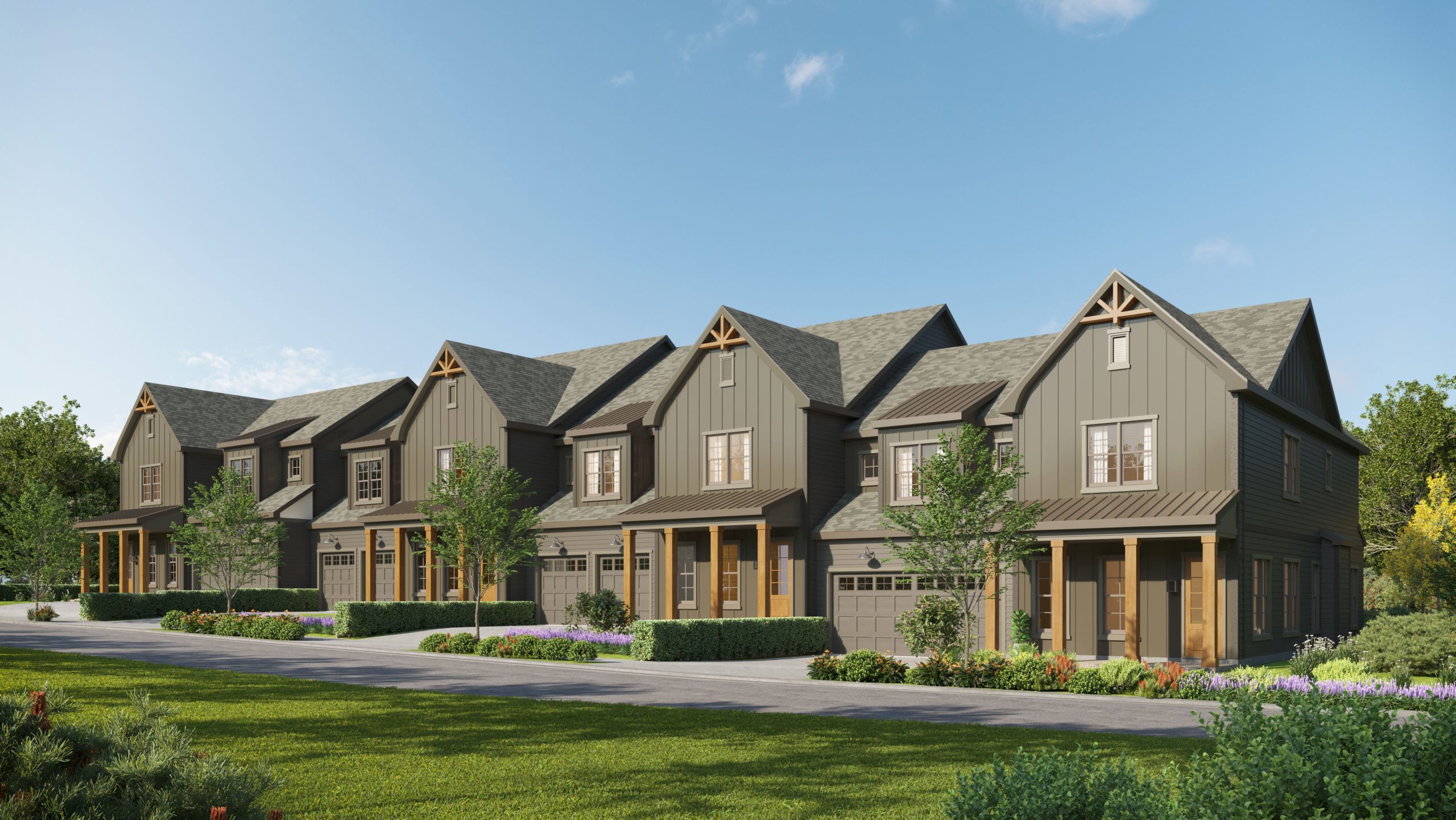
Primary bathroom and townhome exterior visualizations — Radical Galaxy Studio

A Few Things That Come Up in Scoping Conversations

Do you work with smaller custom builders and individual architects, or only large production builders?

Both. We work with DR Horton and Lennar on high-volume production pipelines and with individual architects on single custom homes that produce three or four images total. Project size doesn’t determine whether the work is interesting or whether we can do it well — what determines that is the quality of the brief.

The practical difference is process, not capability. Production relationships require pipeline consistency and operational rigor. Custom projects have more creative flexibility and fewer stakeholders. We’ve structured the studio so neither approach bleeds into the other in ways that serve neither client well.

How early in the design process can you start?

Earlier than most builders think — and earlier involvement almost always produces better results. For production communities, schematic floor plans and elevation drawings are enough to begin. We build out the 3D models and work with the design team on material selections in parallel with the construction documentation process, so the visualization is ready when the community launches rather than scrambling to catch up.

For custom residential, starting during design development rather than at permit-ready stage means the visualization can surface spatial questions that are cheaper to resolve in 3D than in framing. We’ve had architects tell us a review session changed a structural decision before it was built. That kind of feedback is only possible if the visualization is running alongside the design — not after it’s done.

How do I know if a studio is using AI well vs. using it as a shortcut?

Both. We work with DR Horton and Lennar on high-volume production pipelines and with individual architects on single custom homes that produce three or four images total. Project size doesn’t determine whether the work is interesting or whether we can do it well — what determines that is the quality of the brief.

The practical difference is process, not capability. Production relationships require pipeline consistency and operational rigor. Custom projects have more creative flexibility and fewer stakeholders. We’ve structured the studio so neither approach bleeds into the other in ways that serve neither client well.

Single-family project in the pipeline — production, custom, or somewhere in between?

Tell us about it. We’ll tell you exactly what to build and how to scope it for your specific goals.

From Blueprint to Buyer: How Cinematic Arch Viz Accelerates Pre-Sales

From Blueprint to Buyer: How Cinematic Arch Viz Accelerates Pre-Sales

Marriott hotel visualization — Radical Galaxy Studio

There’s a moment every developer knows standing in front of a group of buyers, pointing at a rolled floor plan, trying to sell a vision that exists only as a number on a spreadsheet. The rooms are labeled. The square footage is there. But the feeling? That’s the gap that architectural visualization was born to close.

And the gap has a dollar value. Developers who invest in cinematic visualization before breaking ground consistently see outcomes that their competitors, still leading with static floor plans and basic renderings don’t:

E

Units reserved earlier in the pre-construction cycle

E

Higher price per square foot driven by stronger perceived value

E

Less buyer hesitation and fewer drop-offs between interest and deposit

E

Fewer post-sale surprises and rescissions — because buyers already know what they’re getting

This post breaks down how that happens, what makes visualization truly cinematic, which formats drive which outcomes, and when in a project’s lifecycle the investment pays off most.

Up to 3×

Faster pre-sale velocity compared to static floor plan-only marketing

Increased Revenue

Higher price-per-square-foot willingness when buyers explore a unit virtually vs. on paper

Significantly fewer

Post-sale disputes and rescissions when buyers have done a virtual walkthrough

$0

Construction required — top-performing developments sell out before ground breaks

Not sure which visualization stack fits your project? We can walk you through exactly what to create to hit your pre-sale targets.

A Real Example: What This Looks Like in Practice

Strategy is easier to trust when you can see it working on a real project. Here’s a snapshot from a recent Radical Galaxy engagement.

Case Snapshot

Multifamily Development — Pre-Construction Launch

ClientTrammell Crow
Project TypeMixed-use multifamily 
DeliverablesCinematic stills, animated flythrough, real-time interactive experience
Outcomes
  • Visualization assets deployed across paid social, press, and leasing center, driving consistent inbound without a physical model unit
  • Interactive experience used in remote investor presentations, removing the need for in-person site visits
  • Team reported significantly shorter average time from first contact to signed reservation

The Production Process — What You’re Actually Buying

Understanding the process helps developers scope correctly and brief effectively. High-quality visualization isn’t a commodity order, it’s a collaborative production, and the clarity you bring to the brief directly shapes the quality of the output.

The Part Nobody Talks About: Human Presence

One of the things that separates good hospitality visualization from great hospitality visualization almost never comes up in briefs: people.

Residential renderings can get away with an empty room. The buyer imagines themselves in it. But a hotel lobby with no people in it doesn’t feel like a hotel lobby  it feels like a building. The presence of guests, staff, the suggestion of activity happening and about to happen, is part of what makes a hospitality space feel alive and operational rather than like a set that’s waiting for filming to start.

Getting people right in a render is genuinely difficult. Badly placed 3D figures, frozen mid-stride, scaled slightly wrong, lit differently from the environment destroy the credibility of an otherwise excellent image faster than almost anything else. We’ve spent a lot of time developing a library and a process for this specifically. It’s not glamorous work, but it’s one of the things that consistently gets noticed by clients who’ve seen a lot of hospitality rendering.

  1. Strategic Brief & Visual Narrative

    Before any modeling, we define the visual story: Who is the target buyer? What lifestyle are they buying into? What time of day and emotional moment should each image capture? This shapes everything downstream.

  2. Reference, Mood, and Camera Blocking

    Shot selection is as important in arch viz as it is in film. Reference boards establish lighting direction, material palette, and compositional language before any high-resolution compute time is committed.

  3. Model Refinement & Context

    Working from CAD, BIM, or schematic documents, we build a visualization-ready 3D model — adding material detail, landscape, urban context, and human-scale elements that make the architecture feel real and grounded.

  4. Lighting, Materials, and Iteration

    The most time-intensive phase and the highest-leverage one. Multiple lighting scenarios are tested. Material libraries are built and refined. This is where a technically accurate image becomes an emotionally compelling one.

  5. Compositing and Final Grade

    Render passes are composited with sky, figures, vehicles, and vegetation, then color-graded to match the project’s intended emotional tone. The result should feel less like a CGI image and more like a photograph of a building that already exists.

Planning a development launch in the next 6 months?  The earlier you bring visualization into the process, the more it can do for you.

The Light Itself: Why This Is Harder Than It Looks

The Colorfield · Cumby Group · Multi-family · Austin, TX View full cinematic portfolio →

Technically, rendering software has become remarkably accessible. The gap between average work and exceptional work isn’t the software, it’s the judgment behind it. Light direction, bounce behavior, material response, atmospheric depth: these require thousands of hours of calibration to execute with the consistency that makes a render feel genuinely real.

The tactile impression a buyer forms from a render, this countertop feels cold; this floor has warmth and grain, is created through texture work and micro-detail that the eye processes subconsciously. When it’s right, buyers stop thinking about the image and start thinking about living there. That’s the threshold that matters.

“Developers don’t pay for renders. They pay for the feeling those renders create in the buyer’s mind — and the deposits that follow.”

Real-Time: From Differentiator to Expectation

Developers who were early adopters of real-time interactive visualization had a genuine competitive advantage for a few years. That window is closing. Buyers who’ve experienced a real-time 3D tour at one sales center arrive at the next one with the same expectation. Developers still leading with static PDFs are starting a conversation already behind.

What’s changed is that real-time rendering quality has converged toward, and in some cases surpassed traditional offline rendering for marketing applications. Combined with cloud-based pixel streaming, which removes hardware requirements from the client side entirely, a developer can now offer a fully interactive project experience to an investor in Dubai, a buyer in New York, and a planning board in Austin, simultaneously, from a browser link.

For large masterplan and mixed-use projects especially, the ROI is concrete: more qualified remote buyers, faster alignment across stakeholder groups, and a sales center that works 24/7 without a sales agent present.

Your Renders Are Also a Content Engine

Most development teams underutilize their visualization assets. A well-produced hero render or cinematic animation isn’t just sales center collateral, it’s an asset that can work across every channel in the project’s marketing ecosystem simultaneously.

The same cinematic assets that anchor the sales center become the highest-performing creative in paid social campaigns, the visual centerpiece of a project microsite that ranks organically for location-based search terms, the lead asset in press outreach that generates editorial coverage, and the email campaign content that drives qualified traffic back to the online gallery. A well-produced flythrough on YouTube consistently ranks for project-name and location searches throughout the pre-construction period, generating inbound during a window when paid media alone is expensive to sustain.

“Every render is a content asset. The question isn’t just what it does at the sales center, it’s how many times it earns its cost across every channel it touches.”

Common Questions from Developers

How much does architectural visualization cost?

Cost varies significantly based on project type, scope, and deliverable format. A single photorealistic exterior render typically starts in the low thousands. A full cinematic animation package, architectural renderings, flythrough, and interactive experience, for a large multifamily or mixed-use development can range from $25,000 to $100,000+. The more useful frame isn’t “what does it cost?” but “what does it return?” a visualization package that accelerates pre-sales by even one month on a mid-size development typically covers its cost many times over. See our full breakdown of rendering costs →

Do I need VR for my project?

Not every project does. VR delivers the highest level of immersion and confidence-building, but it comes with production cost and a hardware requirement at the sales center (or a headset delivery model). For premium developments — luxury residential, high-end hospitality, or projects where the per-unit price justifies a premium sales experience — VR typically produces measurable ROI through reduced rescissions and faster close rates. For more standard multifamily or commercial projects, a well-produced cinematic and interactive real-time experience often delivers comparable results at lower cost.

What’s the difference between a rendering and a cinematic?

A rendering is a still image — a single frame showing the project from a fixed camera angle. A cinematic is a moving image sequence: a video that moves through and around the space, with intentional camera motion, lighting changes, and often lifestyle elements like people, vehicles, and ambient atmosphere. Cinematics take longer and cost more to produce, but they consistently outperform stills on emotional engagement, time-on-page, and conversion — particularly for high-ticket residential and mixed-use projects where the buyer is making a major financial and lifestyle commitment.

Do I need VR for my project?

Not every project does. VR delivers the highest level of immersion and confidence-building, but it comes with production cost and a hardware requirement at the sales center (or a headset delivery model). For premium developments — luxury residential, high-end hospitality, or projects where the per-unit price justifies a premium sales experience — VR typically produces measurable ROI through reduced rescissions and faster close rates. For more standard multifamily or commercial projects, a well-produced cinematic and interactive real-time experience often delivers comparable results at lower cost.

What Comes Next: Spatial Computing and the 1:1 Scale Experience

The next meaningful shift in architectural visualization is spatial computing, and it’s closer than most developers expect. As headsets become lighter and more consumer-accessible, the possibility of a buyer walking through a unit at true 1:1 scale, in full presence, before a single wall is framed, moves from novelty to expectation. Studios building toward that capability now will be positioned when the market arrives.

AI is already reshaping the production workflow, accelerating asset generation, automating certain repetitive tasks, and enabling faster iteration on materials and lighting scenarios. What it hasn’t changed, and won’t, is the creative judgment that separates work that performs from work that merely exists. The brief, the narrative, the light, the story, those remain irreducibly human decisions.

The constant, through all of it, is this: buyers need to feel something before they commit. The tools for creating that feeling keep getting better. The developers who use those tools intentionally, with a clear brief, the right format for each stage of the funnel, and a partner who understands both the craft and the commercial context, are the ones consistently winning the pre-sale.

Planning a development? We’ll show you exactly what to create to accelerate pre-sales.

Tell us about your project — timeline, target buyer, deliverables you’re considering — and we’ll map out the right visualization strategy for your specific goals.

How Much Does a Virtual Reality or AR Experience Really Cost in Real Estate?

How Much Does a Virtual Reality or AR Experience Really Cost in Real Estate?

Over the last several years, immersive technology has reshaped how real estate projects are communicated, evaluated, and ultimately sold. Virtual reality, augmented reality, and high-fidelity 3D environments are no longer novelties. They have become central tools in the way architects present design intent, the way developers secure capital, the way sales teams engage early buyers, and the way planners evaluate proposals. Yet for all their growing utility, one question continually resurfaces across the industry: What does a virtual tour or AR experience actually cost?

Immersive technology has evolved far beyond traditional architectural visualization, expanding into interactive, real-time environments that help stakeholders understand projects long before construction begins.

It’s a fair question, but there is no single, universal number. The investment depends heavily on the type of asset, the scale of the project, the level of realism required, and the purpose of the experience. A VR walkthrough used to help a family visualize a custom home sits in an entirely different category from an interactive, navigable digital twin of a multi-acre master-planned community. What matters more than the number itself is understanding what drives the costs, and why the investment has become a strategic advantage for so many firms.

As the industry has matured, pricing has stabilized into clear, predictable ranges. Studios across the visualization space, from boutique specialists to enterprise-level providers, tend to cluster around similar benchmarks for similar categories of work. These figures reflect both the complexity of the deliverable and the long-term value the experience produces.

Unreal Engine real-time visualization showing day-to-night lighting transition for mixed-use development presentation

Single-Family Custom Homes (Typical Range: $20,000–$50,000)

Custom homes represent one of the fastest-growing uses of immersive visualization. Homeowners want clarity. Builders want fewer change orders. Architects want alignment before construction begins. That combination has made virtual walkthroughs a central piece of the preconstruction experience. for many builders, these experiences have become more effective than conventional real estate renderings because clients can explore a space in a fully interactive, 3D virtual tour rather than interpreting static images.

Producing an accurate single-family home environment involves modeling every room, material, finish, millwork detail, and lighting condition with enough fidelity that the space feels believable, and more importantly, decisive. Buyers increasingly expect to move through their future home as though it already existed, evaluating circulation, scale, and daylight in real time. Many also want the ability to preview finish packages, alternate flooring, or compare cabinetry colors, which adds an additional layer of interactive logic to the model.

Because of these requirements, high-quality single-family VR and AR experiences typically land in the $15,000 to $50,000+ range across the market. The bottom of that range generally reflects simpler homes with fewer interactive elements, while the upper end accounts for homes with multiple finish schemes, customized interiors, or VR headset optimization. For many builders, the investment quickly pays for itself. Decisions happen earlier. Confusion disappears. Revisions drop. And buyers move forward with greater confidence, often accelerating the sales timeline.

co-working space rendering for Carmel Partner Denizen project

Condominium Pre-Sales and Multi-Unit Buildings (Typical Range: $30,000–$100,000+)

Condo development introduces a different set of demands. Instead of one interior, there may be dozens of floorplans. Instead of a single environment, there are amenity levels, circulation spaces, lobbies, and shared program areas. Pre-sales hinge on a prospect’s ability to understand the entire vertical experience, not just the unit they are purchasing.

To address that, developers rely on interactive tours capable of guiding a buyer through amenity floors, presenting different unit lines, showcasing views at various elevations, and helping them compare layouts without needing to visit multiple staged models. These digital tours also serve as the centerpiece of modern sales galleries, where touchscreen stations, large displays, or VR headsets immerse buyers in the finished building long before move-in.

This shift toward interactive 3D visualization walkthroughs has redefined how multi-unit developments are marketed and has largely replaced older methods of architectural visualization that relied on still images and brochures.

Across the industry, projects of this type typically fall between $30,000 and $100,000+, depending on the number of units, the complexity of amenities, and the degree of interactivity. For larger high-rise buildings or luxury developments with a heavy emphasis on lifestyle branding, the pricing often extends upward due to the level of craft, detail, and consistency required.

The value to developers is substantial: faster absorption, reduced physical staging costs, and clearer early communication with buyers. In competitive markets, a strong virtual experience has become as important as a well-produced render set, sometimes more.

Exterior 3D rendering for Carmel Partner Denizen San Diego project

Master-Planned Communities and Digital Twins (Typical Range: $50,000–$150,000+)

At the upper end of the spectrum sit large mixed-use districts, multi-acre neighborhoods, corporate campuses, and entire community master plans. These require an approach that blends architectural visualization with environmental simulation. The experience is no longer restricted to a single structure; it must convey a full ecosystem, streets, plazas, green space, building massing, and sometimes even mobility elements such as pedestrian flow or vehicular traffic. Many studios now rely on Unreal Engine to develop these environments, since it supports real-time rendering, vast outdoor terrains, and the level of fidelity these projects demand.

These digital twins are used for far more than marketing. They become tools for design review, where architects and planners evaluate sightlines, spatial relationships, pedestrian experience, and urban form at scale. They support entitlement processes by giving city councils and public stakeholders a way to understand how the proposal will function and feel. They also serve as persuasive assets during capital raises, offering investors a comprehensive understanding of the development’s vision.

The workload required to produce these environments is considerable, involving extensive modeling, texturing, environmental lighting, and interactive logic. As a result, industry-wide pricing for master-planned visualizations typically ranges from $50,000 to $150,000+, with the higher end reflecting projects that span many acres or require particularly high levels of fidelity.

Despite the investment, these environments often become long-term strategic assets, used across multiple phases of design, communication, and marketing, which makes the cost highly defensible relative to the value delivered.

Augmented Reality Applications (Typical Range: $10,000–$100,000+)

AR tools vary widely depending on what the developer or architect needs the experience to accomplish. Some are built to help a buyer stand on an empty lot and visualize the home at full scale. Others support sales teams by displaying interiors in real space or allowing prospects to toggle materials and furnishings. More sophisticated tools allow users to place entire buildings on-site or navigate future streetscapes during community outreach events.

Because AR projects combine 3D modeling with custom software development, the pricing shifts based on platform (iOS, Android, web), level of interactivity, hardware, tracking requirements, and whether the application needs to integrate with sales-center systems. Most firms producing advanced AR solutions price these tools anywhere from $10,000 to $100,000+.

Real-time 3D architectural visualization created in Unreal Engine showcasing interactive masterplan experience

What Actually Drives Cost?

Although each category has its own benchmark, a few consistent factors shape every estimate in the industry.

Scale is always the largest driver. A project that requires dozens of unique interiors will naturally demand more time than a single-home environment. Complexity follows closely behind; high realism requires greater attention to materials, lighting, and spatial nuance. Interactivity has a meaningful impact as well, since every option a user can toggle demands its own logic and testing. Platform also matters, as VR headsets, web browsers, and mobile AR each impose their own optimization requirements.

Timeline can influence cost, especially when projects require rapid delivery for pre-sales deadlines, investor meetings, or entitlement cycles. And finally, the number of deliverables, such as still renderings, animations, and alternate lighting passes, can shift the overall scope.

These factors don’t just affect price; they also affect the project’s long-term usefulness. The more comprehensive the model, the more ways it can be deployed across design, marketing, capital raising, and public engagement.

How Long Does Production Take?

Timelines fluctuate with scope. Single homes are generally completed in a matter of weeks. Condo buildings typically require a 4-12 weeks. Master-planned digital twins often stretch across multiple seasons due to iterative design cycles and the sheer volume of elements involved. AR applications fall somewhere in the middle, depending heavily on software requirements.

What matters most is aligning the timeline with project milestones. Visualization is most powerful when integrated early, not added as an afterthought.

3D architectural rendering of a private dining room with modern pendant lighting, large windows, and elegant seating design.

Why Developers and Architects Continue to Invest

The logic behind the growth of immersive visualization is simple: it reduces uncertainty. When buyers, city officials, designers, and investors can experience a project long before it’s built, the entire development process becomes clearer and more collaborative.

Custom home clients make decisions earlier. Condo buyers commit with confidence. Planning teams catch issues before they become expensive problems. Investors understand the opportunity without wading through dense documents. Public stakeholders feel included rather than intimidated. And developers move through each phase of the project with fewer surprises.

These benefits compound. They shorten sales cycles, reduce risk, and compress the time between vision and execution. It’s no coincidence that immersive technology has become standard across forward-thinking real estate groups.

Final Perspective

There is no universal price for a virtual tour or AR experience, because no two projects demand the same level of detail or serve the same purpose. But industry benchmarks offer clarity. Most custom home walkthroughs fall between $20,000 and $50,000. Condo projects typically range from $30,000 to $100,000 or more. Master-planned digital twins begin around $50,000 and climb based on scale. And AR applications span a wide band depending on functionality.

What matters is not simply the number, but the value these tools bring across the development cycle. Immersive visualization is no longer a luxury reserved for headline projects. It is a strategic advantage, one that accelerates sales, strengthens design intent, improves communication, and elevates every stakeholder’s understanding of the built environment.

As real-time engines such as Unreal Engine continue to evolve, the gap between digital and built environments will only get smaller. If you’re exploring VR or AR for an upcoming project, the right partner can help determine the level of detail, the appropriate platform, and the investment that aligns with both your goals and your timeline. In a landscape where clarity drives momentum, immersive visualization has become one of real estate’s most reliable catalysts for progress.

Contact us today to see a live demo or to discuss how we can help bring your next development to life. The future of architectural visualization is here, and it is designed to move your projects forward.

Why the Best Mixed-Use Developments Are Replacing Scale Models with Interactive 3D Masterplans

Real-Time Visualization with Unreal Engine and Pixel Streaming

In today’s real estate market, standing out means going far beyond glossy brochures and static renderings. What drives projects forward now is the ability to deliver a real-time experience that is immersive, interactive, and accessible from anywhere. At our architectural visualization studio, we bring that vision to life using Unreal Engine combined with the power of pixel streaming in AWS, allowing clients to step inside their future projects without the need for specialized hardware or in-person meetings.

Single Family Home Rendering

What Sets Modern Visualization Studios Apart

For years, developers relied on static images or scheduled in-person presentations to review new projects. Those days are fading fast. Our architectural visualization studio uses Unreal Engine to create interactive environments that feel authentic and alive. When combined with cloud-based pixel streaming, this workflow puts the entire project within reach of your laptop, tablet, or even your phone, no expensive hardware or complex installations required.

The traditional limits are gone. Whether your team is local or spread across continents, everyone can experience and interact with the project in real time. This is not just a technical upgrade; it’s a new way to collaborate, make decisions, and move confidently from concept to closing.

co-working space rendering for Carmel Partner Denizen project

How Pixel Streaming and Unreal Engine Work Together

The secret sauce is in how we connect the dots between high-fidelity 3D design and practical, everyday access. Unreal Engine provides the horsepower, delivering photorealistic renderings, smooth navigation, and interactive features like finish changes, furniture swaps, and lighting adjustments.

Pixel streaming, powered by AWS, shifts all the heavy processing off your device and into the cloud. Your project is hosted on secure, scalable AWS servers. When you access it, you’re actually streaming live visuals rendered by Unreal Engine, just like joining a Zoom call or watching a high-quality video, but with the ability to control and explore the 3D environment as if you were walking the site yourself.

There are no downloads, no need for a graphics workstation, and no more lag time between design meetings and actionable feedback. This is a real-time experience that fits seamlessly into your existing workflow.

exterior 3d visualization service in Barbuda (Caribbean islands)

Why This Matters NowReal-World Benefits for Developers

For real estate developers, this approach truly changes the game at every stage of a project. In the pre-development and pitching phase, you can present fully interactive models to partners, investors, or municipal boards. Rather than relying on static images, you are able to walk everyone through site plans, zoom into specific details, and answer questions on the fly. Remote stakeholders can join these sessions from anywhere in the world, participating as if they are right in the room with you.

When it comes to design collaboration, working with architects, engineers, and designers becomes seamless. Everyone gathers in the same virtual environment, where different materials or layouts can be tested instantly. Input is gathered in real time, and changes are made on the spot, giving every team member immediate insight into the evolving design.

For sales and marketing, the benefits are just as significant. Potential buyers or tenants can be offered guided tours of spaces that have not even been built yet. Clients have the chance to customize finishes or explore various unit options with ease. Pixel streaming eliminates barriers, enabling sales teams to present projects whether they are on-site, in the office, or even at international events, all without the need for special equipment.

Perhaps most important of all, this technology builds client confidence. Misunderstandings are reduced and surprises are minimized, which means approvals come more quickly. When clients experience their future building as a living, interactive environment, decisions become faster, clearer, and far more informed.

An Example from the Field

Recently, we worked with a global developer preparing to launch a new mixed-use community. The client team was scattered between New York, London, and Dubai. Using our pixel streaming solution hosted in AWS, everyone joined live, real-time sessions and walked through the master plan, viewing different apartment layouts, trying out amenities, and even exploring landscaping concepts. The design process moved quickly, and feedback was captured instantly. No flights or hardware shipments were necessary, just a secure browser link and an internet connection.

Why This Matters Now

The expectations of buyers and investors are higher than ever. Developers who can offer a cutting-edge, real-time experience have a clear competitive advantage. Our studio is set up to deliver this seamlessly, combining industry expertise with technical know-how. We handle the cloud hosting, manage the streaming, and support your team every step of the way. You get the benefit of world-class visualization without the hassle or extra costs.

Ready for the Next Step?

 If you are a developer looking to transform your approach to presentations, design reviews, or sales, our architectural visualization studio can get you up and running fast. With Unreal Engine and pixel streaming in AWS, you no longer need dedicated hardware or in-person meetings to get everyone on board. Instead, you can offer a real-time experience of your project—accessible anywhere, anytime, and on almost any device.

Contact us today to see a live demo or to discuss how we can help bring your next development to life. The future of architectural visualization is here, and it is designed to move your projects forward.

Architectural rendering of an interior office space featuring a modern, open layout. The design includes sleek furniture, ample natural light from large windows, and contemporary décor elements. The space is arranged to promote collaboration and productivity, with ergonomic desks and comfortable seating.
Inside the Modern Visualization Studio: Unreal Engine’s Impact

Inside the Modern Visualization Studio: Unreal Engine’s Impact

Why 3D Rendering Beats Traditional Blueprints for Homebuyers


Walking into the heart of a contemporary architectural visualization studio feels a bit like stepping into an atelier of the future. Here, creativity and technology intermingle in ways that would have seemed science fiction a decade ago. Gone are the days when stacks of blueprints and static, hand-drawn sketches ruled the designer’s table. Instead, light spills from massive displays, showing apartments basked in morning sun, offices shifting from day to dusk, and entire neighborhoods waiting to be explored at the click of a button.

A significant part of this evolution comes from new tools in the design toolkit. Among them, Unreal Engine has found a unique role in architectural visualization studios, making it possible to craft spaces that feel both authentic and dynamic, long before construction begins.

Single Family Home Rendering

A Studio’s Creative Pulse

The typical architectural visualization studio is a place where details matter. Artists and technologists work side by side, transforming a set of plans into something that feels almost tangible. Walls and ceilings take shape, textures gain depth, and the interplay of natural light and shadow is mapped out with painstaking care. In these spaces, every project tells a story. The kitchen island becomes the heart of a family home, a rooftop terrace promises an urban escape, and even the quietest corridor receives its own moment in the spotlight.

Visualization work has always been about bridging imagination and reality, but now studios can offer something even closer to the real thing. With Unreal Engine, the process becomes less about guessing and more about knowing. If a client wonders how morning light will look in their new study or whether brass fixtures work better than matte black, the answers appear instantly.

A single-family home rendering with stone accents, a cozy porch, and well-maintained greenery.

How Unreal Engine Fits In

Unreal Engine brings an unprecedented sense of immediacy to the design process. In studios that have adopted it, static images are just the starting point. Now, rooms can be explored in real time. As you move through a digital space, the reflections in glass and water change naturally. Sunbeams travel across the floor in tune with the time of day. A designer can swap a marble countertop for polished concrete in a matter of seconds. The client’s questions, what does this space feel like, how will my furniture look, can we see this from another angle, are no longer left to the imagination.

One visualization artist described a recent project where the client could walk through the model virtually, requesting adjustments on the fly. The ability to make live changes created a sense of shared authorship, as if everyone in the room was helping shape the building together. Decisions that once took weeks of back-and-forth became instantaneous, and the design moved forward with a sense of clarity that is rare in the industry.

Rendering of a Utah rooftop multi-family building, showcasing modern design with communal spaces, greenery, and outdoor seating areas.

Collaboration in Real Time

In many studios, meetings now take place inside the digital model. Project teams and clients can log in from across the world, touring an upcoming development together as if they were on site. Someone in New York might open doors and examine finishes, while a partner in London experiments with lighting options. Notes and changes are recorded live, eliminating the delays of traditional feedback cycles.

Unreal Engine’s flexibility means that each project can be as interactive as needed. Some clients want a guided tour with cinematic flair. Others ask for a hands-on walkthrough, controlling every step themselves. Studios can easily offer both, along with flythrough videos, panoramic stills, or even interactive presentations that run directly in a web browser.

Transforming the Client Experience

The architectural visualization studio’s mission remains rooted in understanding and communication, but the experience for clients has never been richer. When a developer sees two competing lobby designs side by side, comparing finishes and moving through each option, decisions come faster and with greater confidence. Interior designers experiment with bold colors and statement pieces in a risk-free digital environment. Even homeowners with little design experience quickly grasp the potential of their future spaces, thanks to the vivid realism and ease of navigation.

Studios report that clients are more engaged and invested throughout the project. Visualization is no longer a one-way presentation, but a shared discovery. This shift builds trust and often reveals creative opportunities that might have gone unnoticed on paper.

Looking Toward Tomorrow

Architectural visualization studios are now at the center of a design revolution, quietly powered by Unreal Engine’s real-time rendering. What once took days of careful rendering now happens instantly. Teams experiment more freely, and the creative process welcomes more voices into the fold.

As the technology continues to develop, studios will likely find even more ways to make architecture accessible, collaborative, and alive. The next time you step into a space that feels both surprising and inevitable, chances are the journey began in a visualization studio, guided by a tool that once only belonged to gamers but now belongs to dreamers and builders alike.

Let’s Build the Future, Together.

Contact us today to learn how our industry-leading 3D rendering services can help you sell more homes, faster.

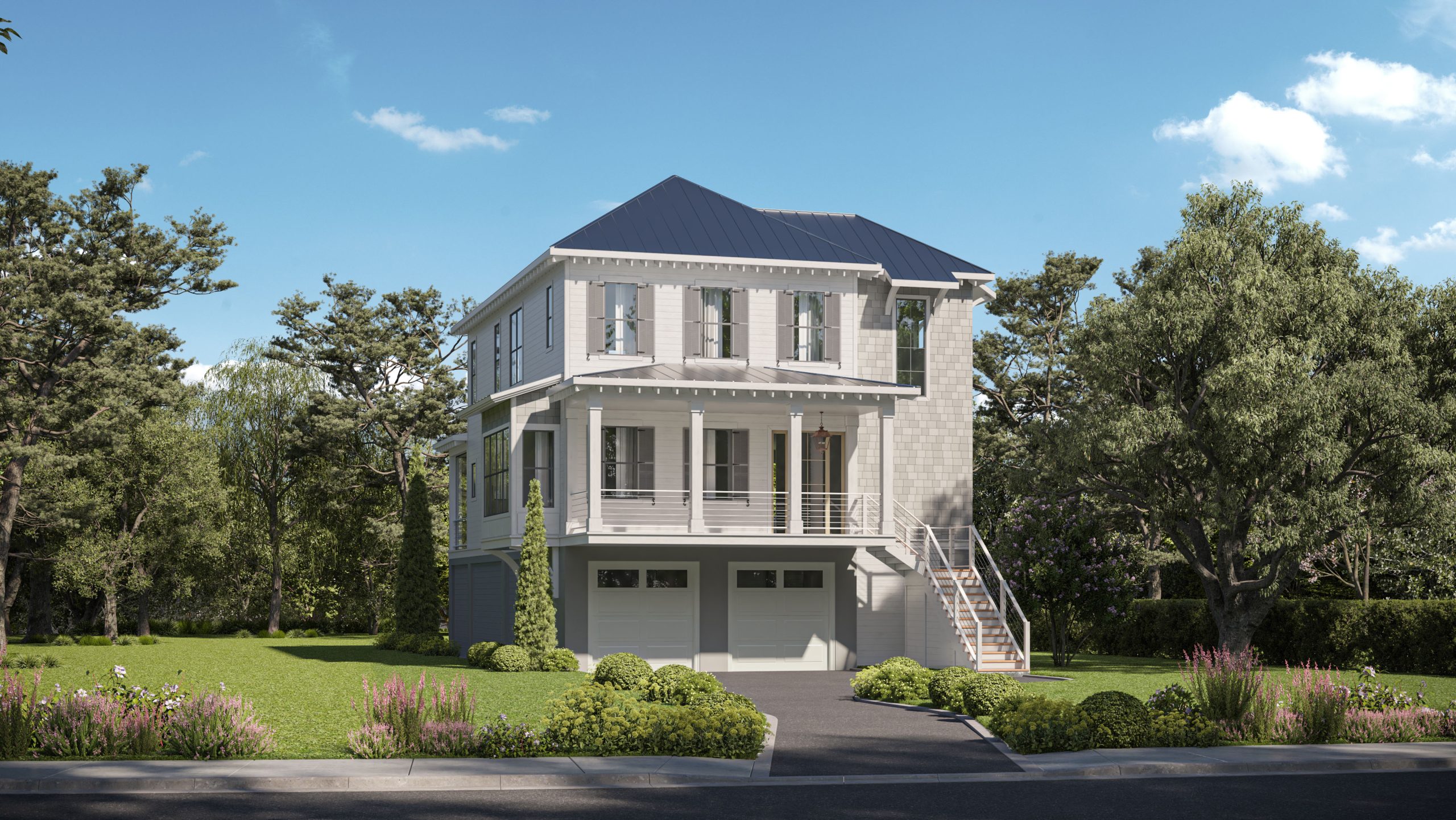
A 3D visualization of a single-family home featuring modern architecture, a spacious front yard, and a sleek two-car garage.