
Stadium exterior visualization — Radical Galaxy Studio
Most building types have a primary user. A residence is for the people who live there. An office is for the people who work there. A hotel is for the guests. A sports venue is for everyone at once, the team, the season ticket holders, the corporate suite clients, the casual fan buying a single-game ticket, the naming rights sponsor, the concession operator, the broadcast partner, the planning board reviewing the environmental impact, and the visualization has to speak to all of them, sometimes in the same deliverable.
That’s what makes it genuinely difficult. Not technically, though scale presents its own challenges. Conceptually. A stadium is a city inside a building, and the brief for a visualization project on a major venue can involve more stakeholder groups, more distinct spatial experiences, and more competing priorities than almost anything else in architecture. We’ve worked on arenas, entertainment complexes, multi-use stadium projects, and venue renovation programs. Every time, the challenge is the same: how do you communicate a space that’s designed to feel completely different depending on where you’re standing in it.
The Scale Problem Nobody Prepares For
The first thing that catches people off guard on a stadium visualization project is pure scale. A 70,000-seat stadium is so large that standard architectural visualization approaches, the ones that work beautifully on a hotel or a multifamily tower, simply don’t translate. You can’t treat a stadium exterior the way you’d treat a building facade. The thing has a skyline relationship. It has a neighborhood relationship. It casts shadows over several city blocks. Getting the exterior right means building not just the structure but enough of the surrounding urban context to give the scale a reference point, or it just looks like a large object floating in space.
Interior scale has the opposite problem. The bowl of a filled arena is enormous, but the visualization has to communicate that enormity while also making it feel alive and human. An empty 70,000-seat bowl reads as a void. It needs crowd presence, event lighting, the sense of energy that the space is designed to hold. Getting that feeling right, the packed house, the light show, the sense that something is about to happen, is a specific craft challenge that has nothing to do with getting the architecture accurately modeled.
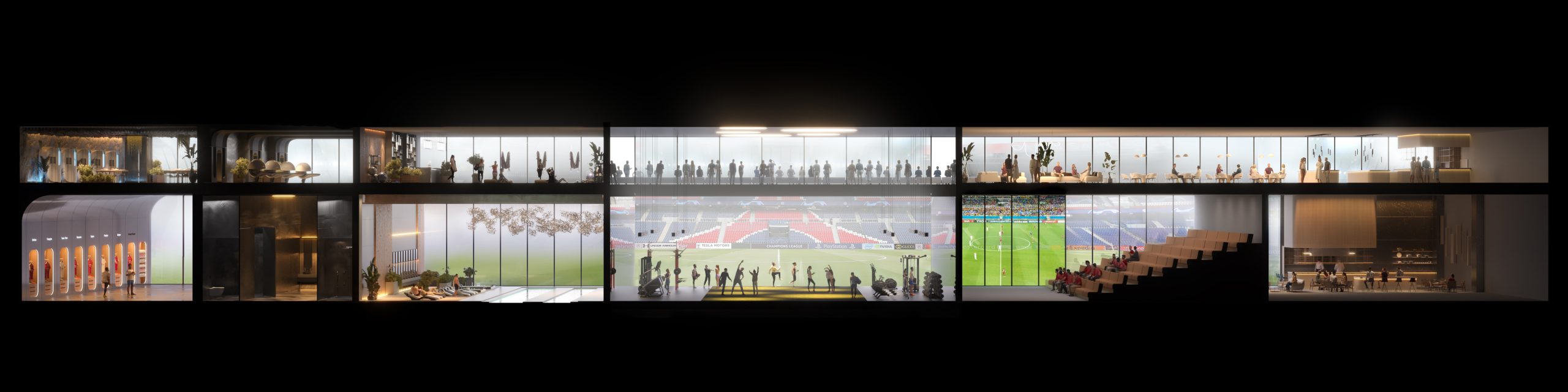
Stadium cross-section visualization showing bowl geometry and seating levels — Radical Galaxy Studio
Cross-sectional views are actually one of the most useful visualization formats for venues, for exactly this reason. They let you communicate the spatial relationship between the field level, the main bowl, the club levels, and the suite tier in a single image, something that’s nearly impossible to convey from a single interior perspective. A good cross-section tells the story of how the venue is organized in a way that external renderings and even walkthroughs can struggle to match. We use them early in the stakeholder process, before people have internalized the layout, and they consistently accelerate the conversation.
The Suite and Premium Experience: Where the Real Commercial Work Gets Done
The public-facing renderings of a stadium, the bowl, the exterior, the main concourse, are important, but they’re not where the most consequential visualization work happens. That’s in the premium spaces. Suites, clubs, and premium hospitality areas represent a disproportionate share of venue revenue, and they get sold through exactly the same mechanism as a luxury residential or hospitality project: someone needs to feel what it would be like to be in that space before it exists.
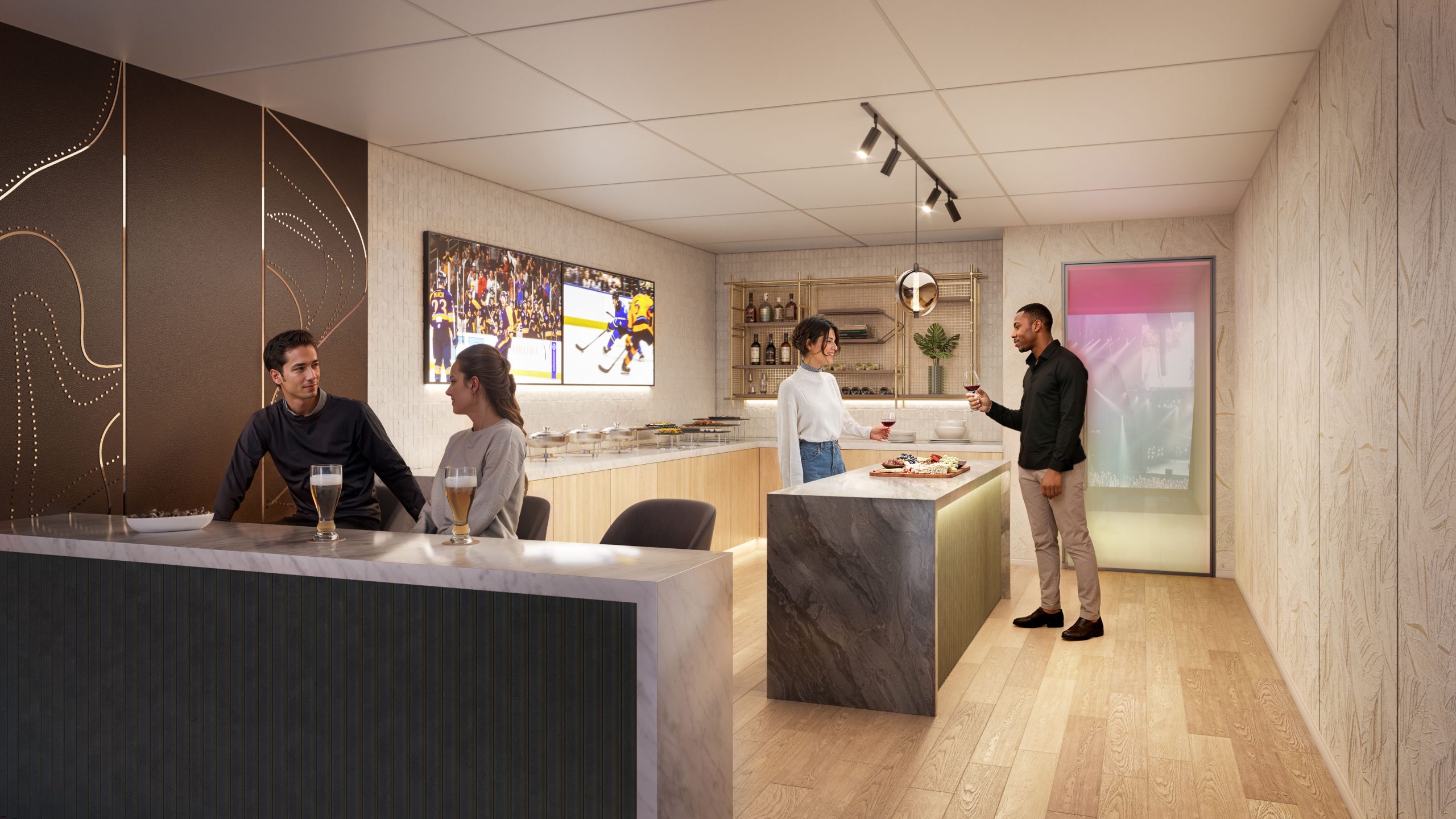
Premium suite visualization — stadium hospitality, Radical Galaxy Studio
A suite visualization for a major venue is essentially a hospitality project nested inside an infrastructure project. The suite itself needs to communicate luxury, exclusivity, the sense that the views and the experience justify what a corporate client is being asked to pay for a multi-year commitment. Get the suite visualization wrong, flat lighting, uninviting materials, no sense of the event happening beyond the glass, and the premium sales conversation gets harder. Get it right and it does a significant portion of the sales work before anyone has to make a pitch.
We treat suite visualizations as their own brief within the larger venue project. Different emotional register, different audience, different goals. The person buying a suite package isn’t just buying seats. They’re buying a specific version of the experience, the catering, the entertaining space, the view of the field at the right angle, the feeling of being somewhere elevated from the general admission experience. All of that has to come through.
Premium suite interior with event views — Radical Galaxy Studio
Concourse, Activation, and the Brief Nobody Plans For
One of the things that’s shifted most in venue design over the last decade is how much attention goes to the spaces between the gate and the seat. Concourses, F&B areas, social zones, activated spaces that give fans a reason to arrive early and stay late. These used to be afterthoughts in the visualization scope too, a few corridor images, maybe a food stand. Now they’re a significant part of the fan experience proposition and a major driver of per-cap revenue, and they need visualization that actually communicates that energy.
The challenge is different from suite visualization. A concourse render with no people in it looks like a hallway. Lit correctly for game-day conditions, populated with the right crowd density and energy, with the activation elements working as designed, it reads as a fan environment rather than a corridor. That distinction matters when you’re presenting to an operator evaluating the revenue per square foot, or a naming rights partner deciding whether their brand belongs in this building.
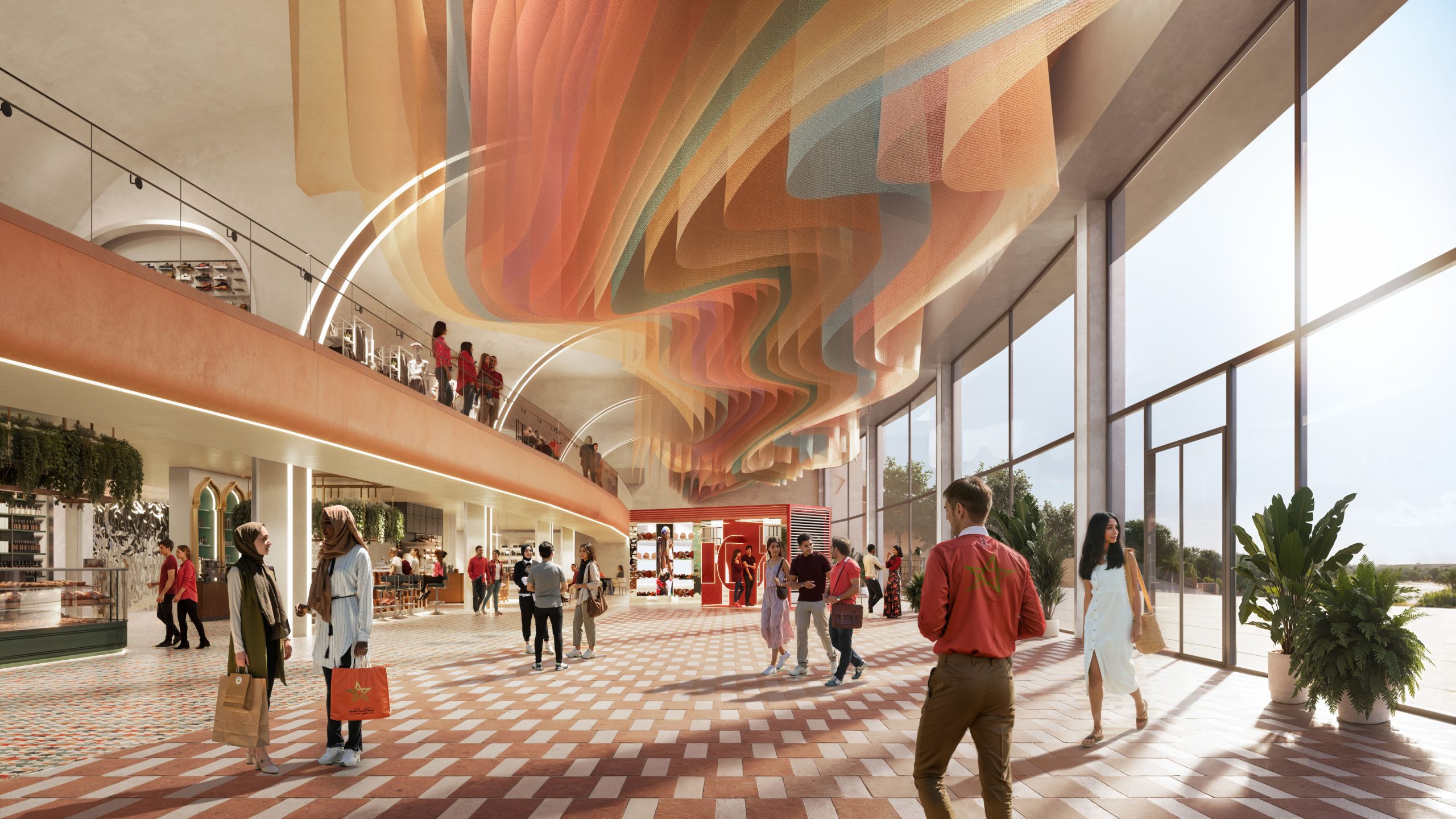
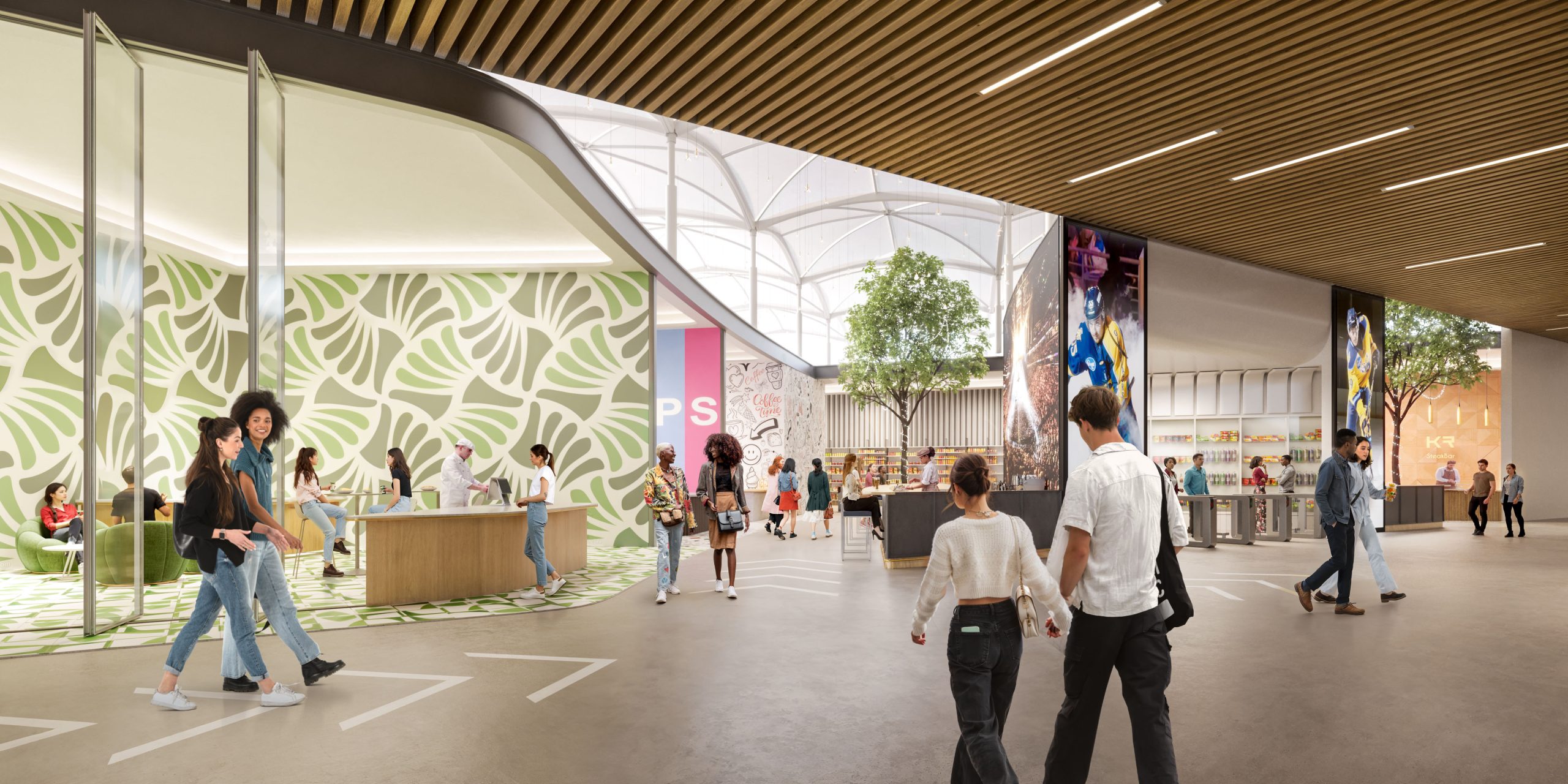
Concourse activation and social space visualizations — Radical Galaxy Studio
Event mode is a completely different brief. Major venues don’t make economic sense as single-use facilities anymore. The venues being built and renovated right now are designed to host concerts, conventions, and private functions when there’s no game on the schedule. That means the visualization scope often needs to show the venue in event configuration, floor cleared, lighting reprogrammed, the space looking nothing like it did three days before.
This is where it usually gets complicated. Visualizing event mode requires understanding the space at a level beyond the architectural drawings, how the lighting transforms the room, what the floor looks like with seating retracted, how the sightline experience changes from a 20,000-person concert to a 500-person corporate gala in the same building. More than once we’ve had a client realize mid-visualization review that a configuration they’d planned commercially didn’t actually work the way they’d imagined it. That kind of feedback is useful. It’s just better to get it from a rendering than from a night with 8,000 people in the wrong seats.
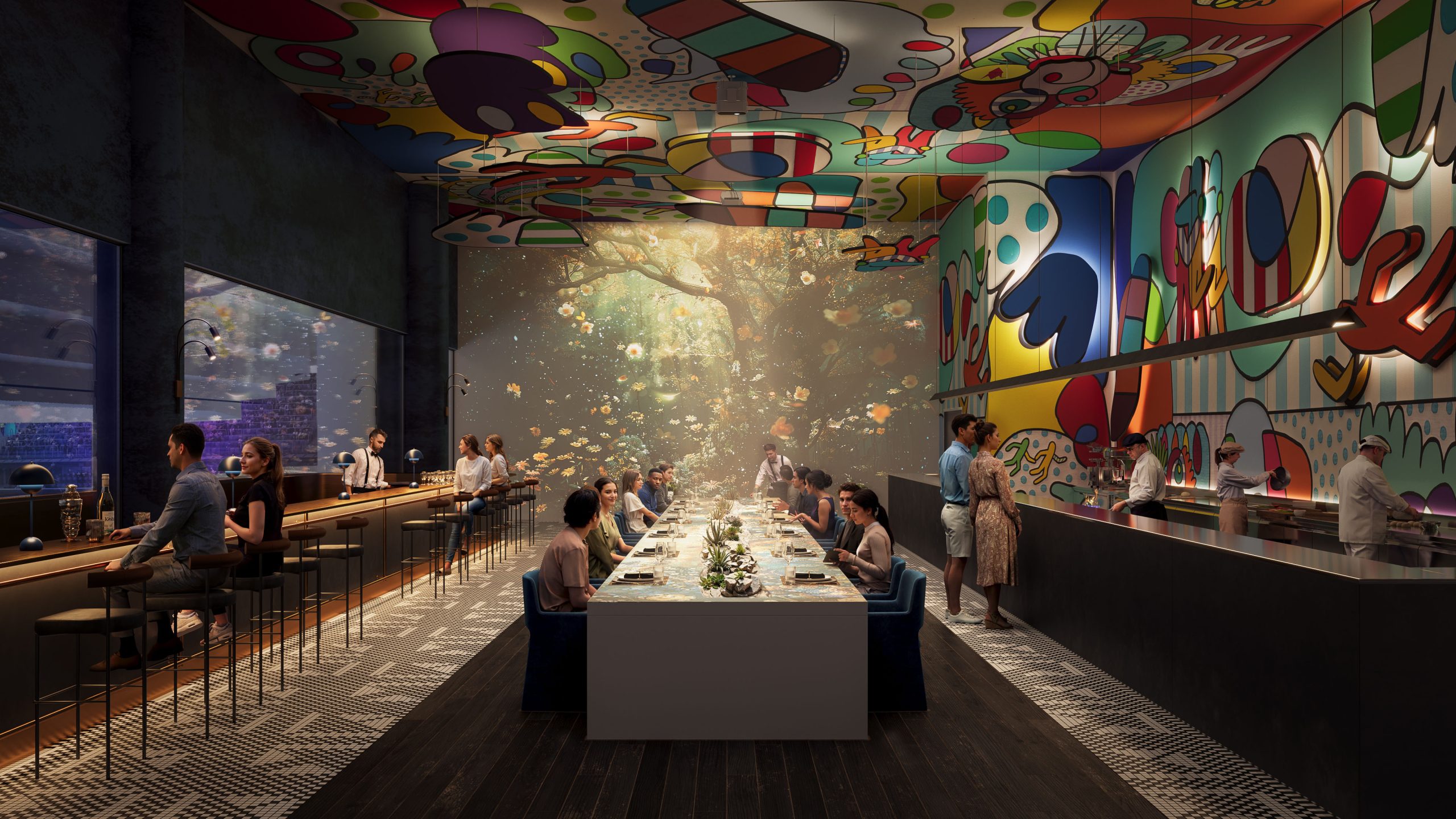
Venue in event configuration — multi-use entertainment space, Radical Galaxy Studio
“A venue visualization is never really one project. It’s four or five different briefs, exterior, bowl, suites, concourse, event mode, each with a different audience and a different emotional goal. The ones that work are the ones that were scoped that way from the start.”
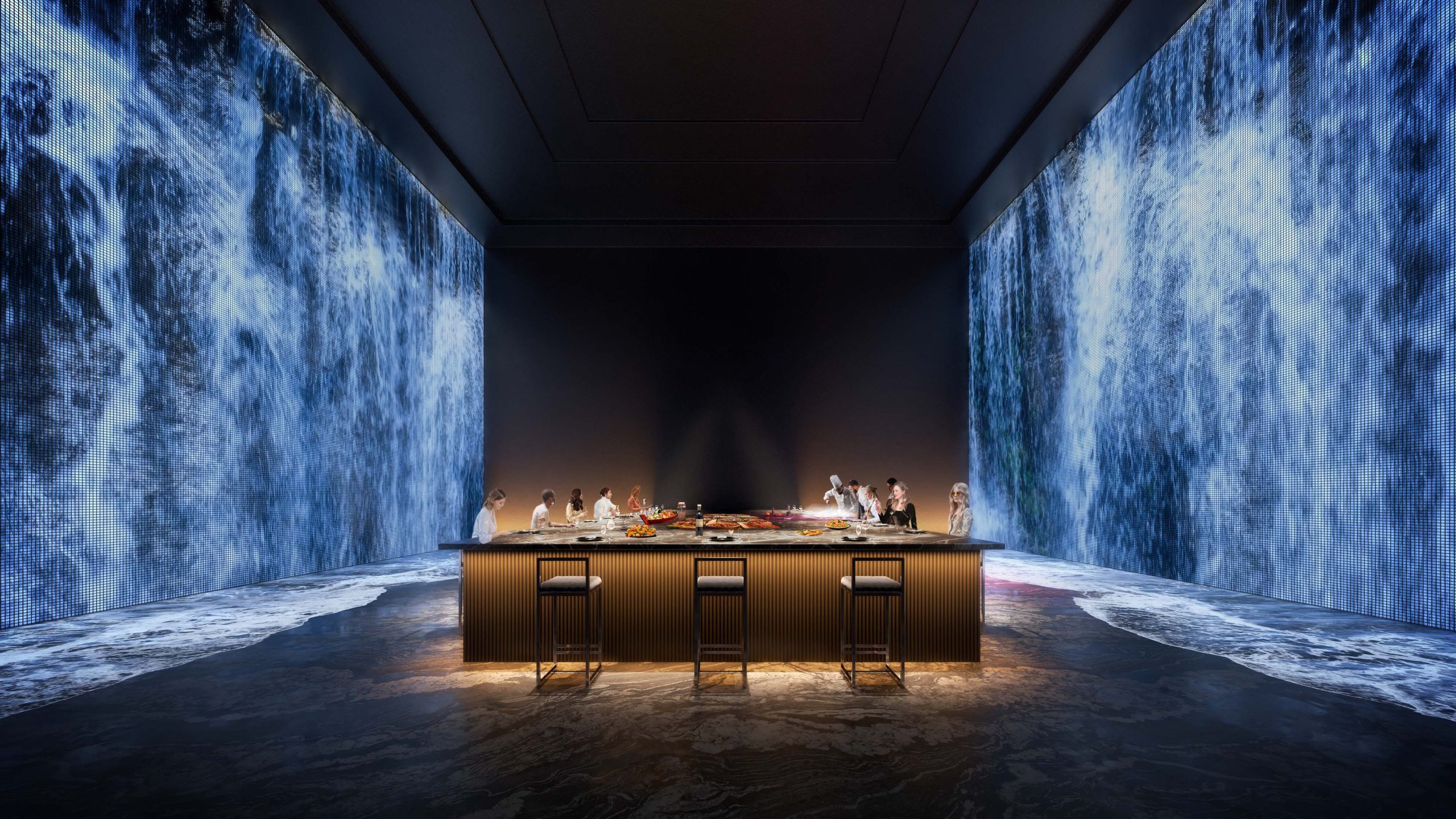
Multi-use entertainment venue — evening event configuration, Radical Galaxy Studio
Naming Rights Presentations: The Brief Everyone Forgets to Plan For
Here’s one that catches venue developers by surprise regularly: naming rights negotiations. A major venue naming rights deal can be worth tens or hundreds of millions of dollars over the life of a contract. The presentation to a naming rights prospect is one of the highest-stakes commercial conversations in the entire project. And it almost always requires visualization assets that weren’t in the original scope.
A naming rights prospect isn’t just evaluating the venue. They’re evaluating how their brand will appear in that venue, on the facade, on the scoreboard, in the suite level signage, in the experience of sixty thousand people walking through the gates. That visualization asks for something different from the standard architectural rendering package. The brand needs to be credibly integrated, the scale of the signage needs to be right, and the overall presentation needs to make the prospect feel the commercial opportunity they’re being asked to pay for.
We’ve learned to ask about naming rights timelines early in the scoping conversation on major venue projects. If that presentation is coming in six months, it needs to be on the production schedule now, not treated as a rush add-on after the main visualization work is done.
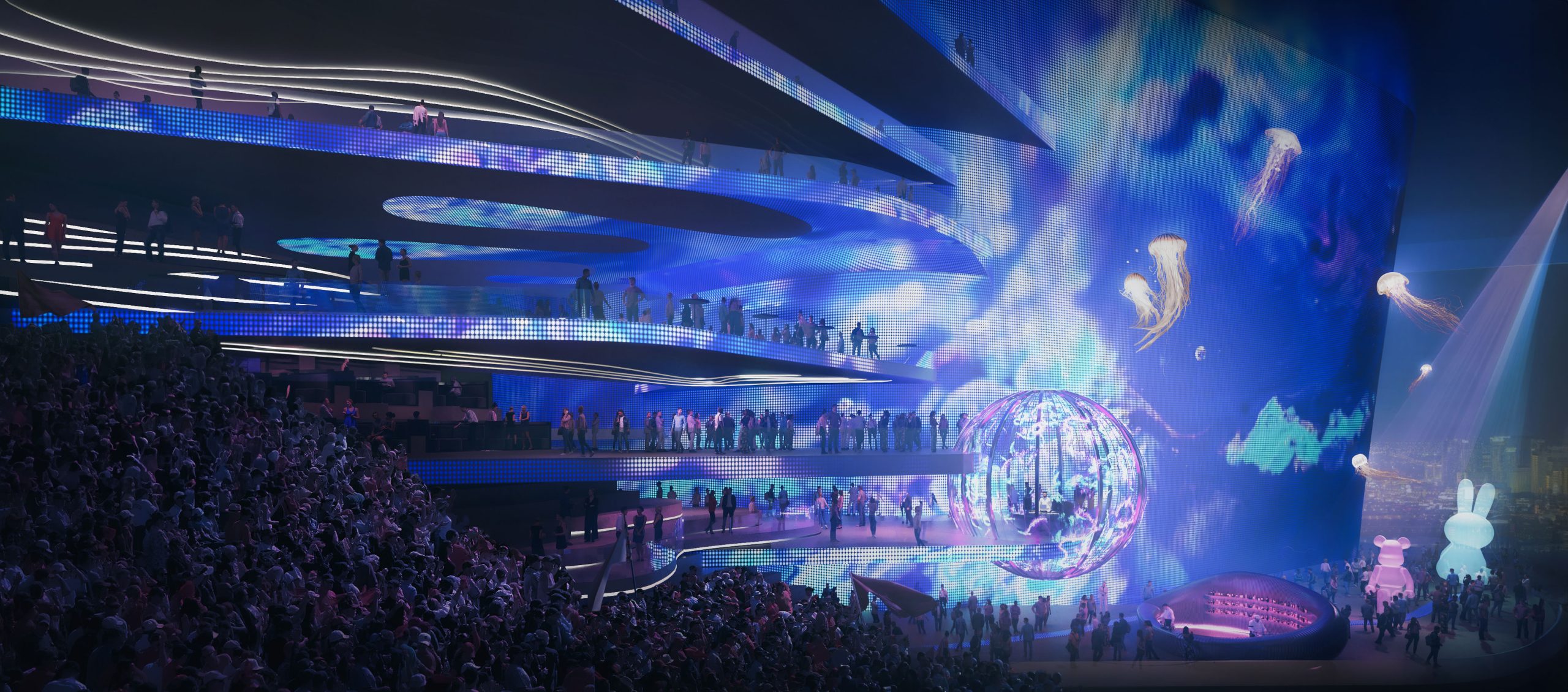
Stadium exterior visualization — Las Vegas entertainment district, Radical Galaxy Studio
Working on a venue project? We scope stadium and arena visualization differently from other project types — tell us where you are in the process and we’ll tell you what makes sense to build.
The Spaces That Make a Modern Venue Different, and Harder to Visualize
The things that differentiate a modern venue from one built twenty years ago aren’t usually in the exterior rendering. They’re in the specialized spaces that have become expected, and each one has its own brief that sits at odds with the main venue aesthetic.
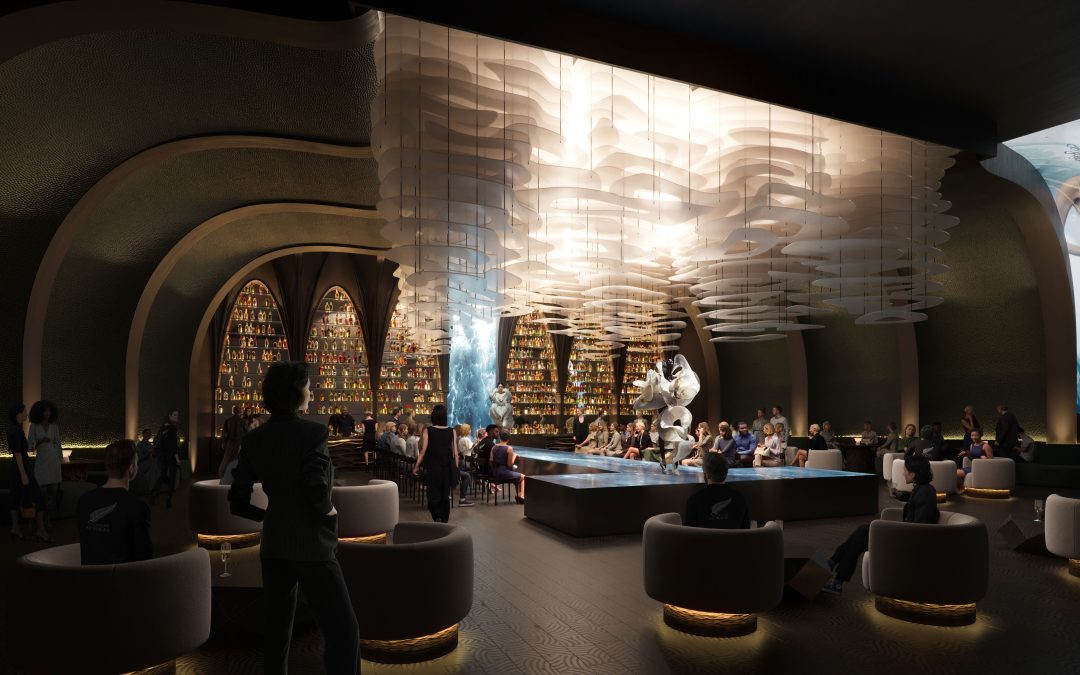
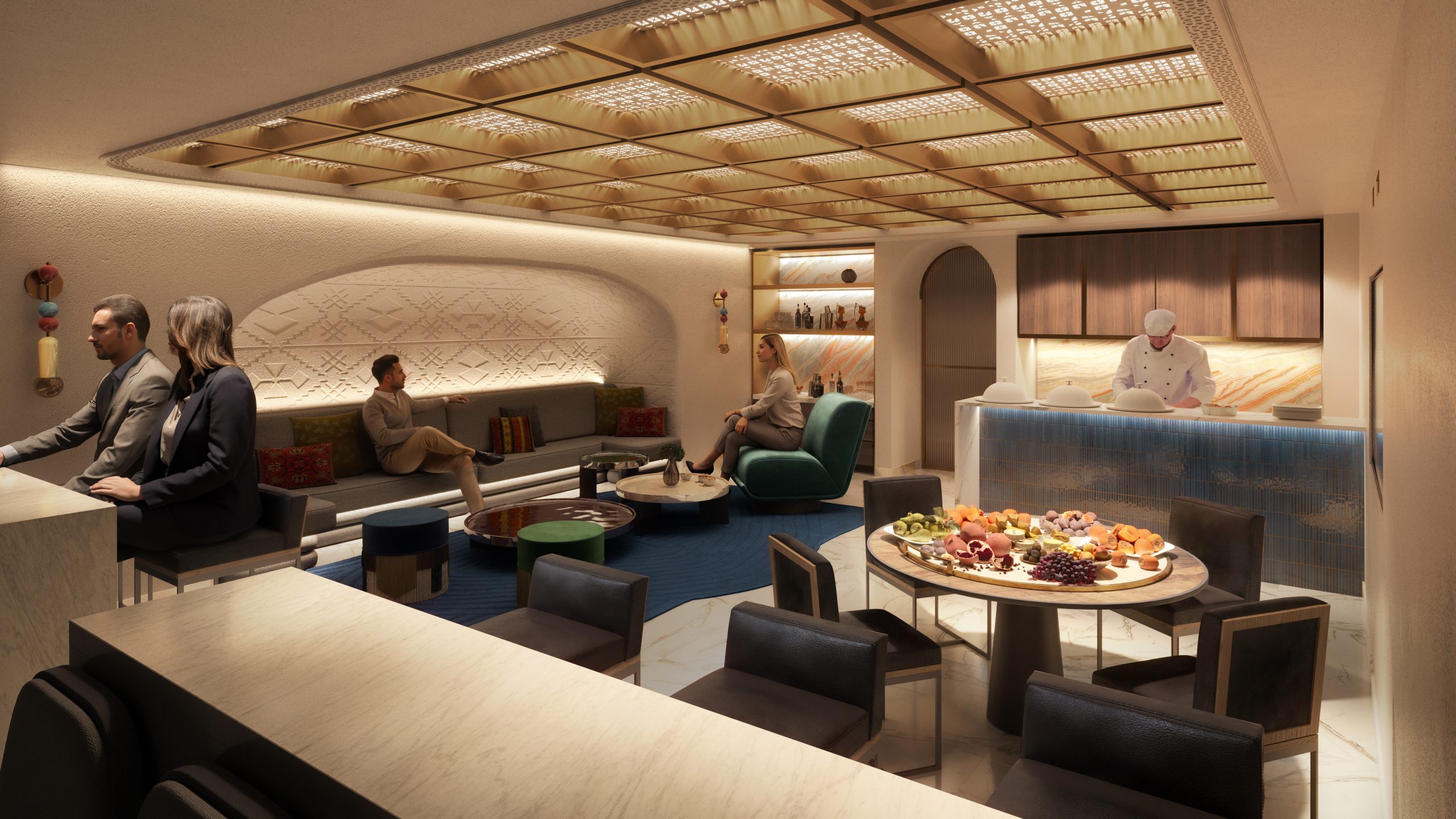
Private hospitality spaces, members’ clubs, owner’s lounges, pre-game dining, occupy a strange middle ground. They need to feel like a premium restaurant when there’s no event, and like an exclusive game-day perch when there is. Getting that dual identity across in a still image is genuinely tricky. The materials have to work in both contexts. The light has to work at two different hours. And the view of the bowl, which anchors the whole experience, has to make both versions of the room feel earned.
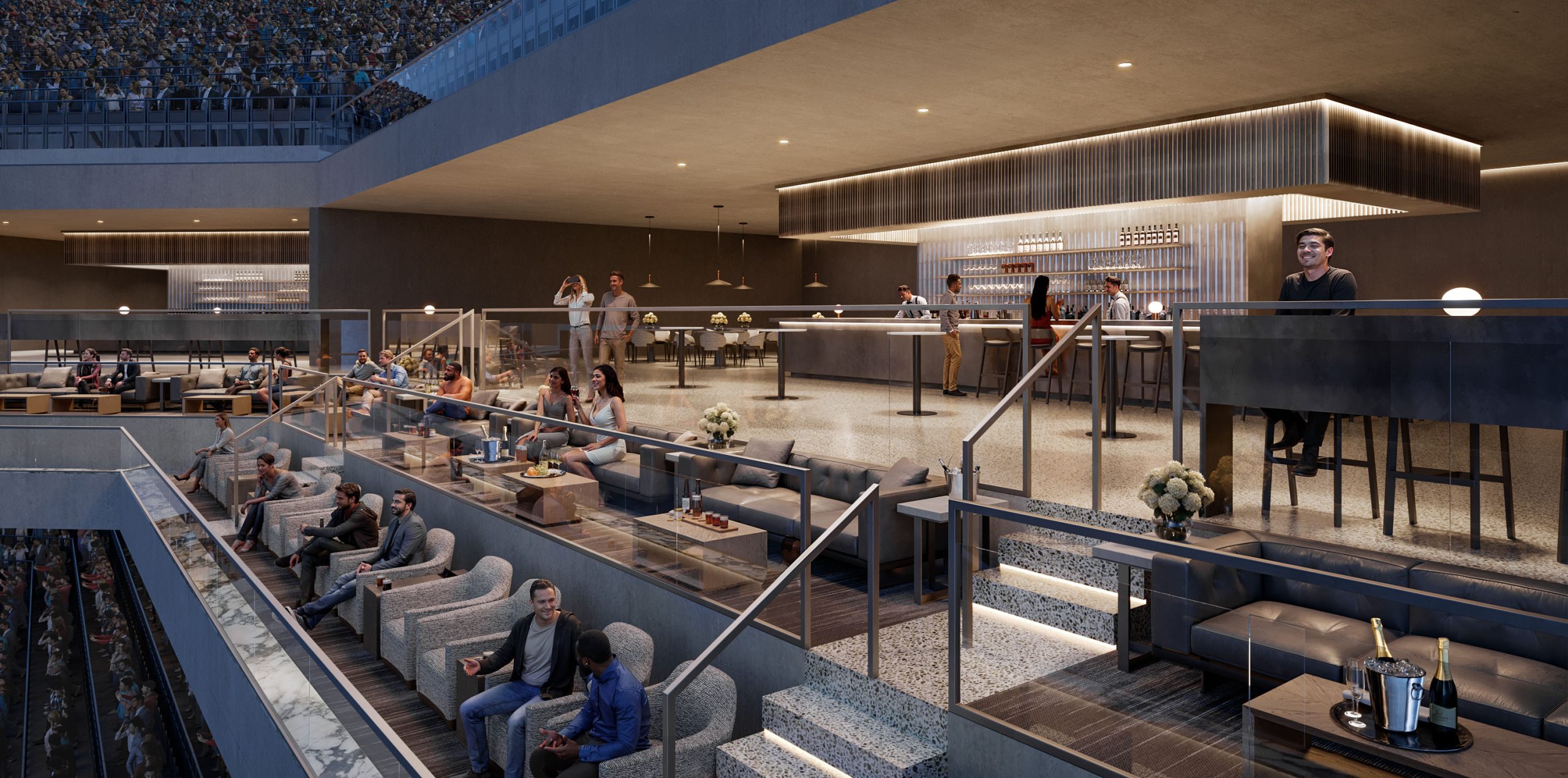
Private hospitality space visualization — sports venue, Radical Galaxy Studio
Sensory rooms and inclusive fan spaces have become a genuine design priority for major venues, spaces designed for fans with sensory sensitivities, accessibility needs, or who simply need a quieter environment during a loud event. These spaces need visualization that communicates calm, thoughtfulness, and care in the design, in contrast to the high-energy aesthetic of the rest of the venue. The brief is almost the opposite of the bowl or the concourse, and the visualization approach has to reflect that.
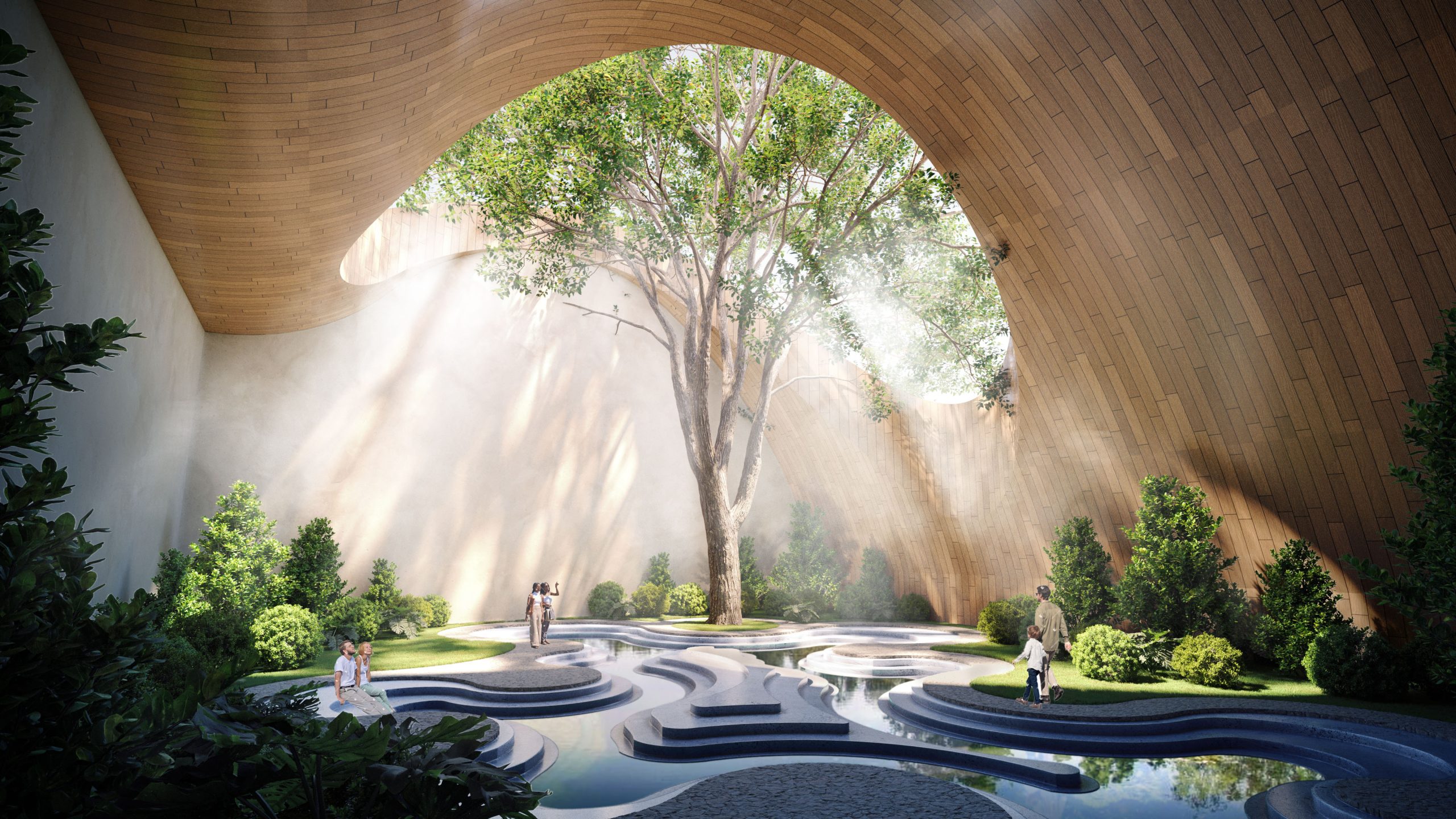
Sensory space visualization, inclusive fan design, Radical Galaxy Studio
Restaurant and F&B spaces within venues are increasingly being treated as standalone hospitality destinations rather than stadium catering operations. The visualization has to communicate that elevation, the difference between a concourse food stand and a venue restaurant that could hold its own independent of the game. Same structural challenge as any restaurant rendering, but with the added context of the venue around it.
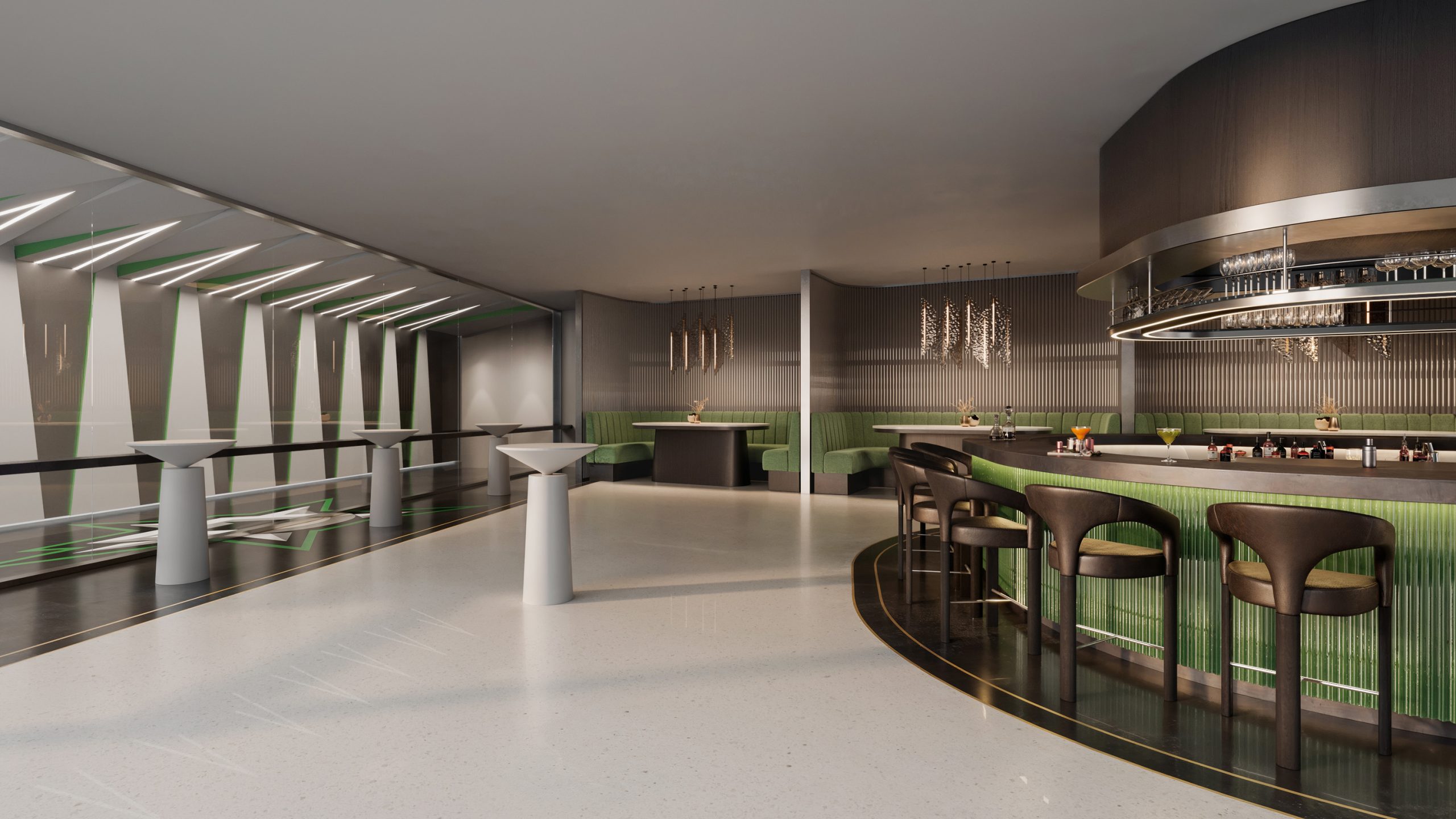
Venue restaurant and F&B space visualization — Radical Galaxy Studio
Hockey, Basketball, Multi-Sport: When the Configuration Changes Everything
Indoor arenas have a specific problem that outdoor stadiums don’t. The playing surface changes, and when the surface changes, the entire experience of the bowl changes. An NHL arena and an NBA arena are often literally the same building, with ice converted to hardwood between seasons. Different sightlines, different spatial relationship between the bowl and the floor, different suite views, different energy. These aren’t minor variations. They’re different experiences.
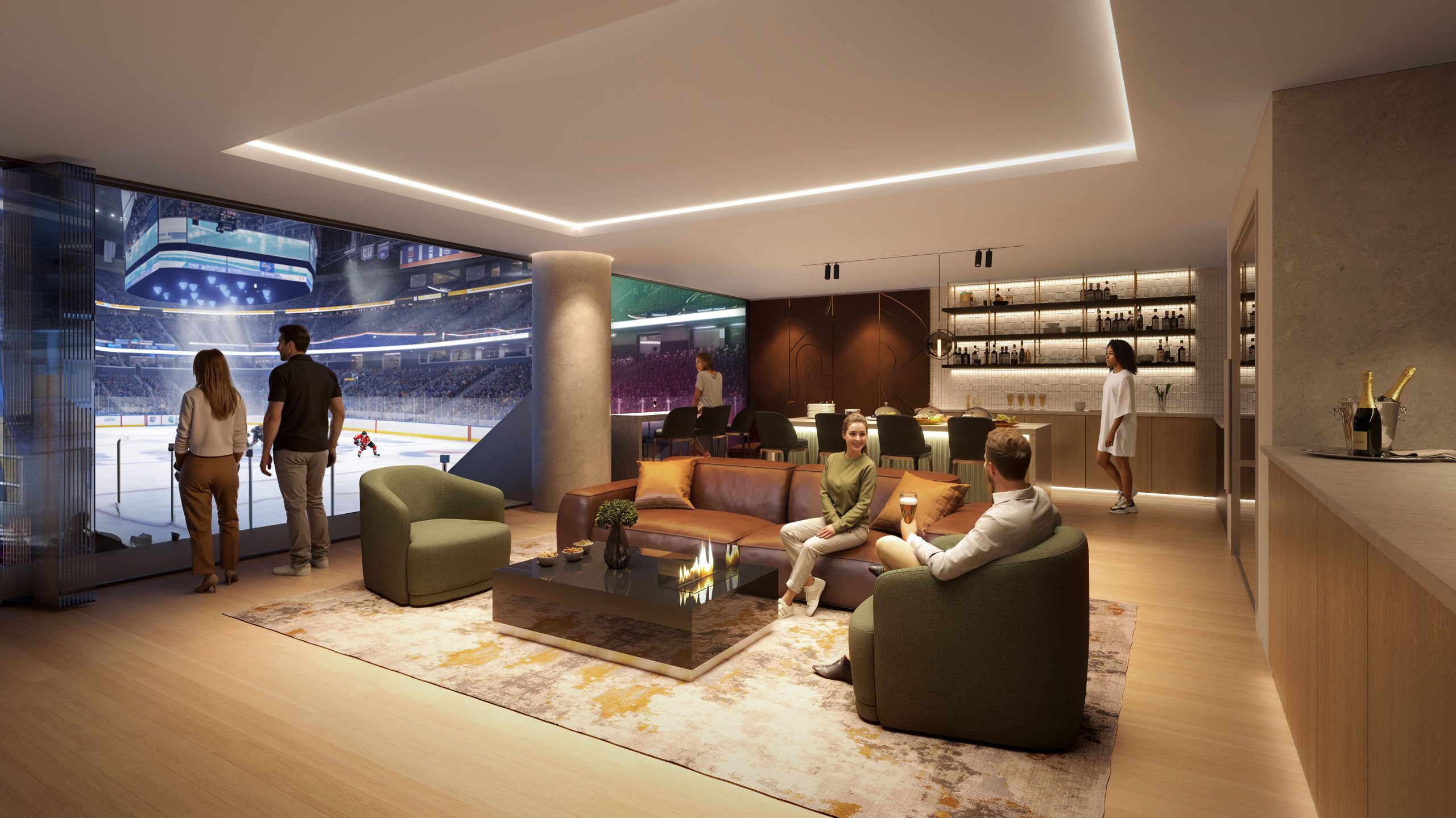
Hockey arena visualization — multi-sport venue, Radical Galaxy Studio
For a multi-sport venue, a complete visualization scope usually means showing the primary configurations separately, not just annotating that the floor converts. The stakeholders for NHL games and NBA games are often different groups with different priorities, and showing a hockey visualization to a basketball operator and telling them “this is the same building” asks them to do mental translation work that good visualization should eliminate. When the budget allows, we show both. The additional production cost is marginal relative to the value of each audience seeing their specific experience clearly.
Things That Come Up on Almost Every Venue Project
This is where projects usually get underestimated, not on the big spaces, but on everything around them.
The stakeholder list. Development team, architect, operator, naming rights prospect, suite sales team, ADA compliance review, planning board, community engagement process. These groups often need different things from the visualization, and some of them need it at different points in the timeline. We’ve had projects where someone realized three months in that the planning board presentation needed a completely different set of assets from the investor deck, assets that weren’t in the original scope and were now on a tight deadline. Mapping the full stakeholder calendar at the start of the project costs an hour. Not doing it costs a lot more.
Animation earns its budget on large venue projects in a way it doesn’t always on smaller ones. A stadium is too spatially complex to communicate in stills alone. The entry sequence, the way the bowl reveals itself as you move through the concourse, the relationship between the exterior and the neighborhood, these are narratives. A well-produced venue animation doesn’t just look impressive at a presentation; it answers questions that a render package leaves open. We’ve had clients show us a stills-only package and ask why their presentations weren’t landing. Usually the answer is visible the moment you try to explain the spatial sequence in words.
Plan for the naming rights timeline upfront. If there’s a naming rights process in the project’s future, it needs to be on the production schedule from day one. Retrofitting brand integration into an existing render package after the fact is slower and more expensive than building it correctly the first time. And a naming rights presentation that uses placeholder signage on a render that was designed for something else reads as a placeholder, which is exactly the wrong impression for a conversation worth potentially nine figures.
360-degree and VR are worth more on venue projects than on almost any other building type. The ownership groups, government stakeholders, and planning bodies that need to approve a major venue are rarely all in the same city. The ability to put someone in the bowl from their browser, or hand them a headset at a presentation, changes what’s possible in a remote review conversation in ways that static images don’t. On a project of this scale, that’s not a feature worth debating. It’s infrastructure for the approval process.
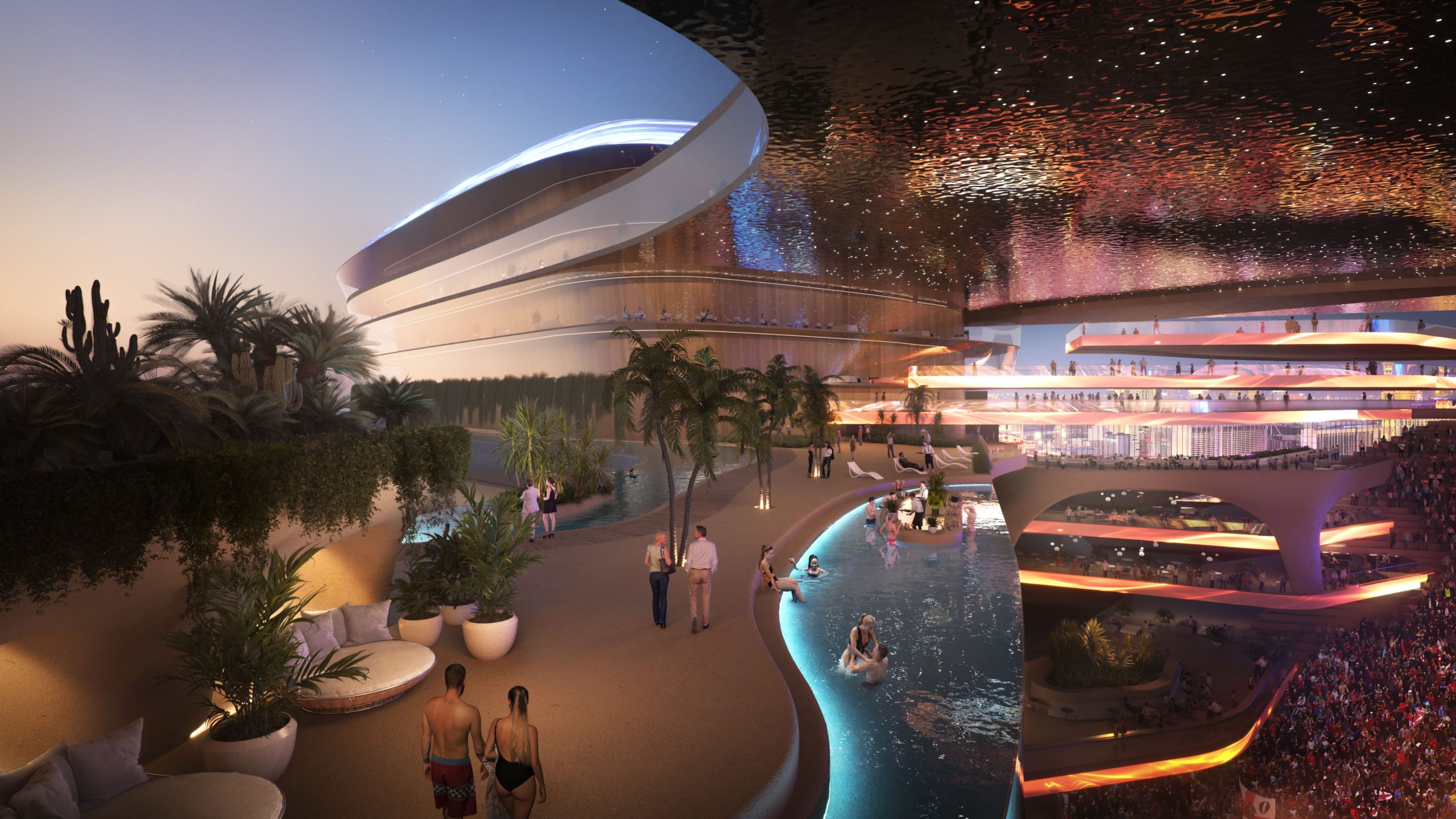
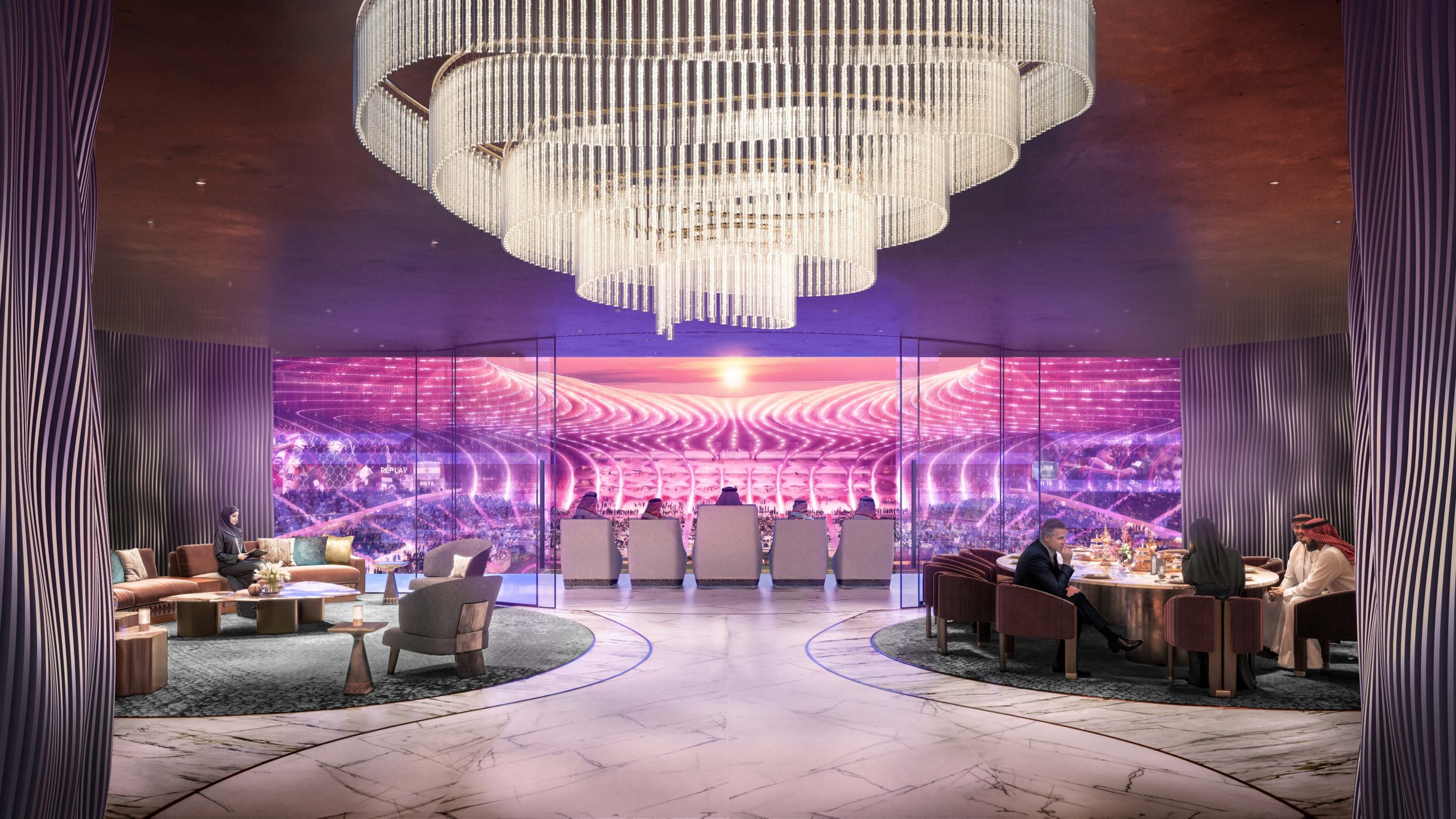
Stadium visualization — Radical Galaxy Studio
A Few Things Clients Ask Us
How much does stadium or arena visualization cost?
More than most other project types, and the range is wide. A focused package, exterior hero renders, one interior bowl view, and a suite visualization, for a mid-size arena might start around $40,000–$80,000. A full venue visualization program covering exterior, bowl, all premium spaces, concourse, event configurations, and an animation runs $150,000–$400,000+ depending on scope. Naming rights and VR add further.
The honest framing: for a venue project where a single naming rights deal is worth $20–$50 million, the visualization budget is a rounding error relative to what the output supports commercially. The question we’d ask is what presentations are coming up in the next 12 months and what those conversations are worth, then scope backward from that.
Can you work from early-stage design documents?
Yes. We often do on venue projects because the visualization timeline and the design development timeline overlap significantly on large-scale projects. Schematic design or even concept-stage documents are workable starting points. The things that matter most early on are the overall massing and the key spaces, bowl geometry, suite configuration, exterior form, which are usually developed before the detail drawings are complete.
What we try to establish upfront is which design elements are locked vs. still moving. Visualizing something that changes significantly during production means rework, and on a project of this scale, rework is expensive. The cleaner the brief on what’s stable, the more efficiently the production runs.
For architects, the value of venue visualization is not just presentation polish. It is a way to clarify complex spatial relationships before they become meeting-room problems: bowl geometry, premium-view relationships, concourse flow, event-mode flexibility, and the way different stakeholders will experience the same building. If your team is moving from concept into stakeholder presentations, we can help translate the design into the visual assets each audience actually needs.
Do you handle the full scope, exterior, interior, suites, animation, or is this multiple studios?
We handle the full scope, and it matters more on venue projects than almost anywhere else. The visual consistency between the exterior, the suite visualizations, the concourse, and the animation is part of what makes a presentation land. When different spaces come from different studios, the variation in lighting approach and material treatment is noticeable, and it undermines the sense of a cohesive design that the whole presentation is trying to build.
We also carry all deliverable formats in-house. For a venue project with multiple presentation contexts across a multi-year timeline, not having to re-brief a different studio for each format is worth more than it might sound.
Working on a stadium, arena, or entertainment venue project?
Tell us about the project, where you are in the design process, and what presentations are coming up. We’ll tell you exactly what to build and when.